Balls, Bags & Gear
The stuff around the clubs — the right beginner golf balls, a stand or cart bag that suits how you get around, gloves that last, tees, a rangefinder and the training aids that actually work. Broad-volume gear with a beginner's eye.
The clubs get all the attention, but the gear around them is where beginners quietly waste money — or quietly make their day on the course better. The right ball flatters a developing swing and costs little. The right bag makes walking eighteen holes pleasant instead of punishing. A glove that fits stops blisters before they start. None of it is complicated once someone explains what actually matters.
Below are the balls, bags, gloves, tees and rangefinders worth buying as a beginner, each with a live price and a buy link for the top pick. The theme throughout: buy soft, buy light, and do not overspend on things you will lose or outgrow.
Everything in Gear
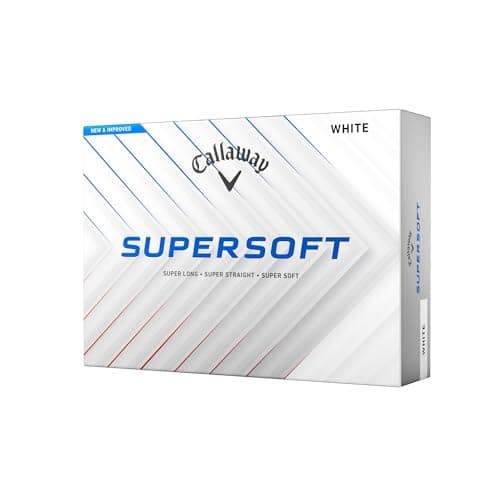
Best Golf Balls for Beginners
Soft, straight-flying, budget-friendly balls that flatter a developing swing — and why you shouldn't play a tour ball yet.
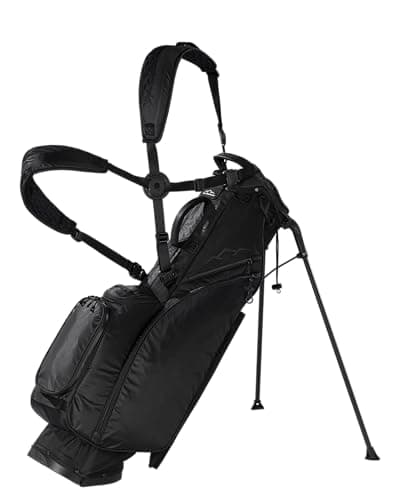
Best Golf Bags for Beginners
Stand bags for walking, cart bags for riding, and how to pick the right one for how you'll actually play.
Our top pick
Sun Mountain Eclipse 2.5 Stand Bag
$223.95 · View on AmazonPrice as of October 23, 2026. #ad How we’re funded
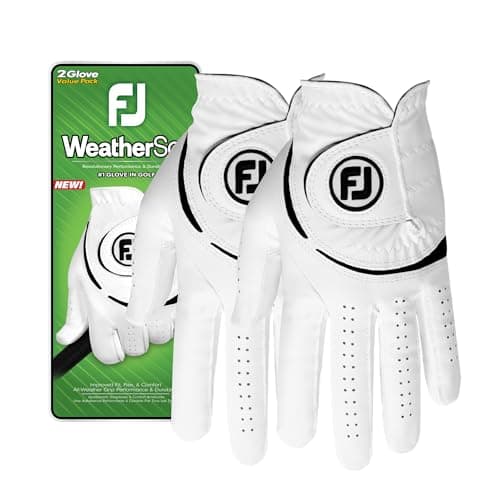
Best Golf Gloves for Beginners
The best-value gloves, which hand it goes on, and the leather-versus-synthetic trade-off in plain English.
Our top pick
FootJoy WeatherSof Glove (2-pack)
$22.97 · View on AmazonPrice as of October 23, 2026. #ad How we’re funded
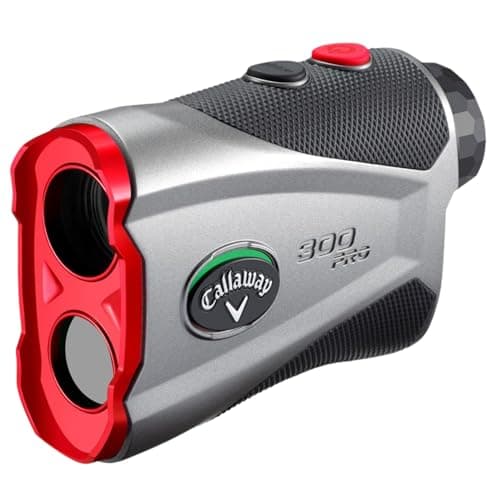
Best Golf Rangefinders for Beginners
Stop guessing yardages. Lasers from budget to tour-grade, and an honest answer on how much you actually need to spend.
Our top pick
Callaway 300 Pro Slope Laser Rangefinder
Best Golf Tees for Beginners
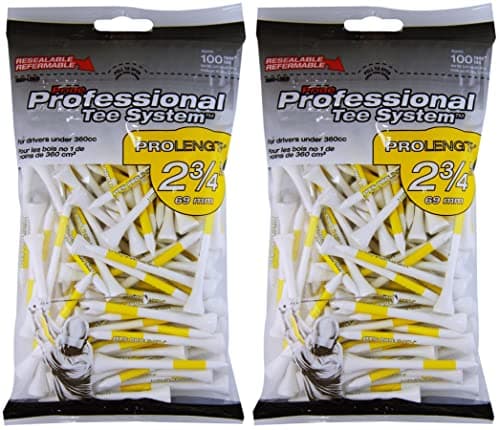
Length matters more than material, and consistent tee height quietly helps your driver. The tees worth buying, from bulk wood to step-ups.
Our top pick
Pride Professional Tee System ProLength 2¾" (200)
$24.85 · View on AmazonPrice as of October 23, 2026. #ad How we’re funded
Best Golf Gifts for Beginners
What to buy a new golfer at every budget, from a ten-dollar stocking filler to a full set — and the three gifts to avoid.
Our top pick
FootJoy WeatherSof Glove (2-pack)
$22.97 · View on AmazonPrice as of October 23, 2026. #ad How we’re funded
Soft vs Distance Golf Balls
Compression, layers and the marketing words on the box — decoded, and matched to the swing you actually have.
Best Golf Balls for Seniors
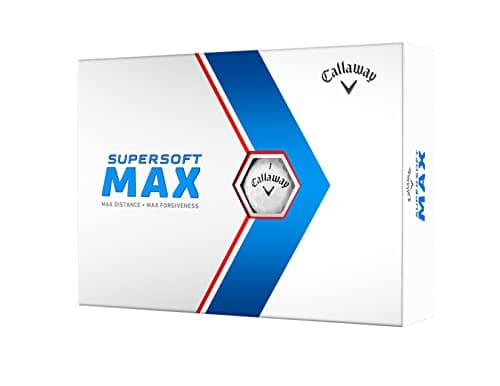
Low-compression balls a slower swing can actually compress — plus an honest answer on how much a ball can give you back.
Our top pick
Callaway Supersoft Max Golf Balls (12-Pack)
Best Golf Balls for High Handicappers
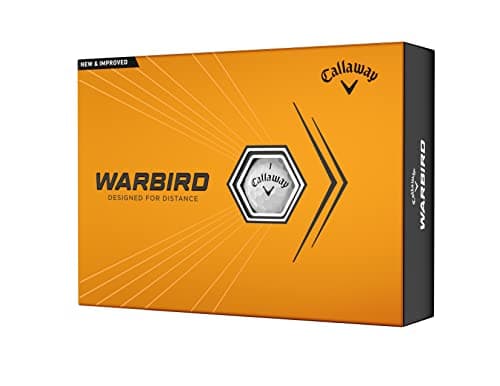
When you lose three a round, cost per ball is the specification that matters — with a straight answer on what low spin fixes.
Our top pick
Callaway Warbird Golf Balls (12-Pack)
$21.99 · View on AmazonPrice as of October 23, 2026. #ad How we’re funded
Best Golf Cart Bags
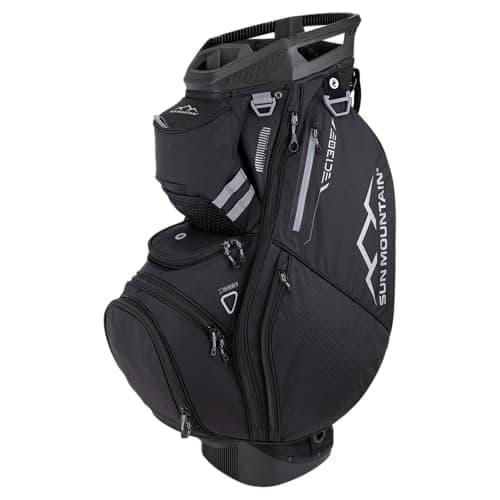
If you ride, two specifications decide whether a bag is a good one — the strap channel and the dividers. Here is what to look for.
Our top pick
Sun Mountain C130 Cart Golf Bag (2025)
Best Golf Training Aids
Most training aids are gimmicks. These five give real feedback you cannot argue with — and one costs less than a sleeve of balls.
Our top pick
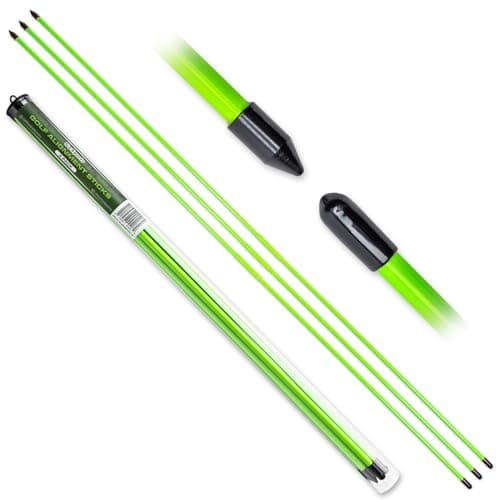
GoSports Golf Alignment Training Sticks (3-Pack, 48")
$14.99 · View on AmazonPrice as of October 23, 2026. #ad How we’re funded
Stand Bag vs Cart Bag
One question decides it, and it is not the one most buyers ask — plus what to buy if you genuinely do both.
Best Golf Push Carts
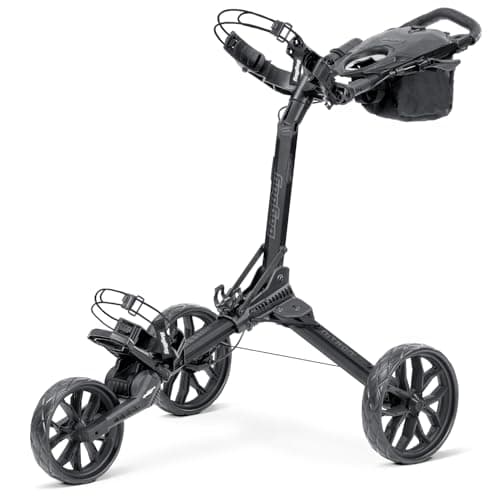
Forty pounds off your shoulder for four hours, for less than the price of a driver — and the two specs that decide which cart to buy.
Our top pick
Bag Boy Nitron Golf Push Cart
$319.95 · View on AmazonPrice as of October 23, 2026. #ad How we’re funded
Best Golf Travel Bags
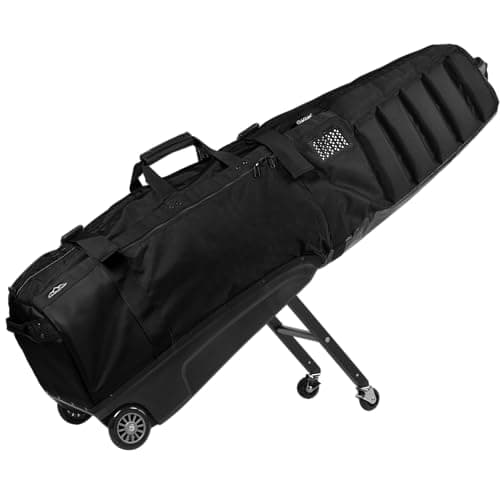
Hard case, hybrid hard-top or soft cover — what each protects, what it costs in weight, and how to pack so your driver survives the flight.
Our top pick
Sun Mountain ClubGlider Meridian Travel Bag
Callaway Supersoft Review
The ball we recommend more than any other — what low compression really does, and the two golfers who should play something else.
Rangefinder vs GPS Watch
They answer different questions — and a beginner needs the one that maps the hole more than the one that lasers the flag.
Best Golf GPS Watches for Beginners
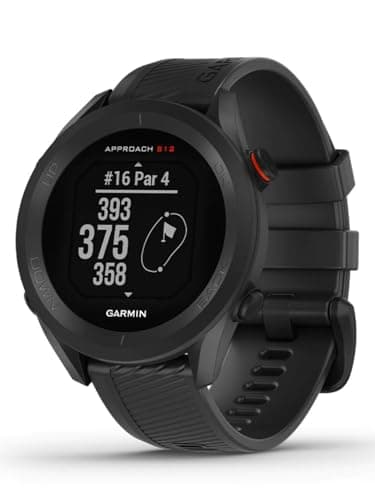
Front, middle and back yardages on your wrist, with no phone and no aiming. Five watches from budget to step-up, and the one spec that decides whether any of them is useful.
Our top pick
Garmin Approach S12 Golf GPS Watch
$199.99 · View on AmazonPrice as of October 23, 2026. #ad How we’re funded
Sun Mountain Eclipse 2.5 Review
Our top pick in the bags roundup — why a carry bag is judged on weight above everything, and the three golfers who should buy something cheaper.
Our top pick
Sun Mountain Eclipse 2.5 Stand Bag
$223.95 · View on AmazonPrice as of October 23, 2026. #ad How we’re funded
Best Golf Practice Nets for Home
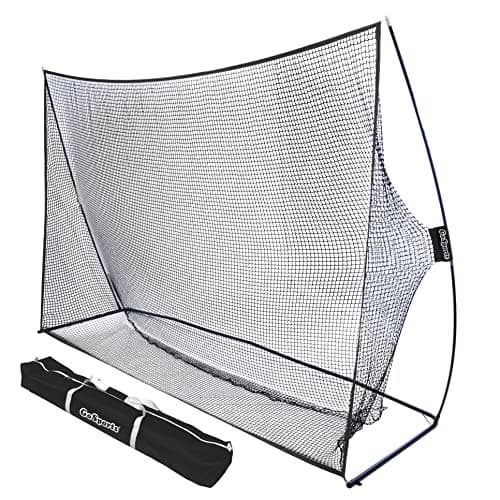
A net in the garage is the difference between practicing twice a month and twice a week. Five worth buying, and the two measurements to take before you order one.
Our top pick
GoSports 10 ft x 7 ft Golf Practice Hitting Net
$89.99 · View on AmazonPrice as of October 23, 2026. #ad How we’re funded
Callaway 300 Pro Rangefinder Review
Our top pick in the rangefinders roundup — what pin lock and slope actually do, why slope has to be switchable, and who does not need a laser at all.
Our top pick
Callaway 300 Pro Slope Laser Rangefinder
Best Golf Hitting Mats for Home
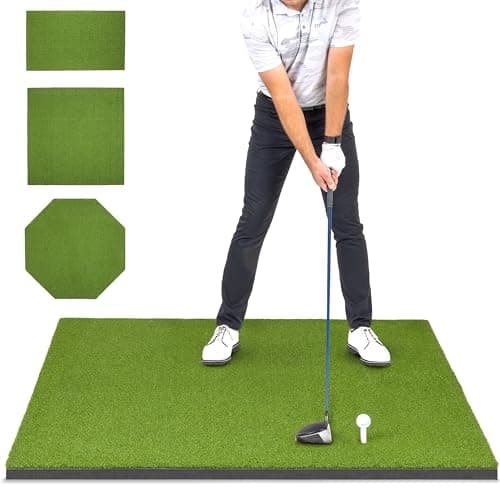
The surface under the ball decides what your home practice teaches you. Five mats worth buying, and why footprint and turf depth beat every other spec.
Our top pick
GoSports Elite Golf Hitting Mat (5 x 4 ft)
$149.99 · View on AmazonPrice as of October 23, 2026. #ad How we’re funded
Best Putting Mats for Home
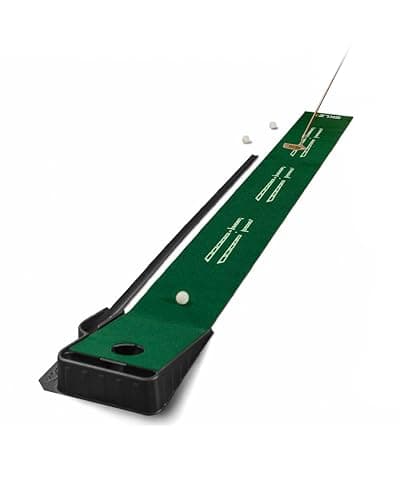
Putting is the cheapest place a beginner can save shots, and the only one you can practice in a hallway. Five indoor putting mats and greens worth buying, and the four specs that separate them.
Our top pick
SKLZ Accelerator Pro Indoor Putting Green (9 ft)
$54.99 · View on AmazonPrice as of October 23, 2026. #ad How we’re funded
Golf vs Hunting Rangefinder
Same instrument, opposite instincts: one is built to report the nearest object it sees and the other the furthest. Which matters on a golf course, and what the Rules allow.
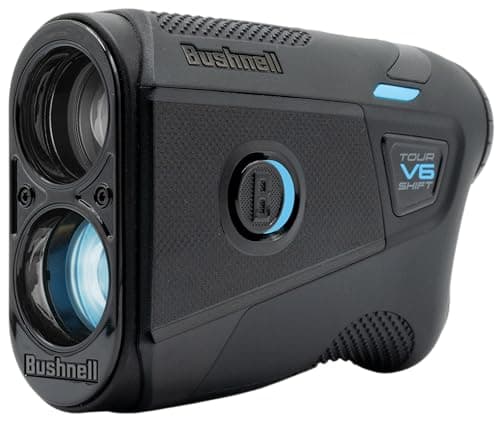
Bushnell Tour V6 Shift Review
The premium pick in our rangefinders roundup, and now the outgoing generation — what Bushnell publishes, what the newer V7 Shift actually changed, and who should still buy this one.
Our top pick
Bushnell Tour V6 Shift Laser Rangefinder
Best Golf Launch Monitors for Beginners
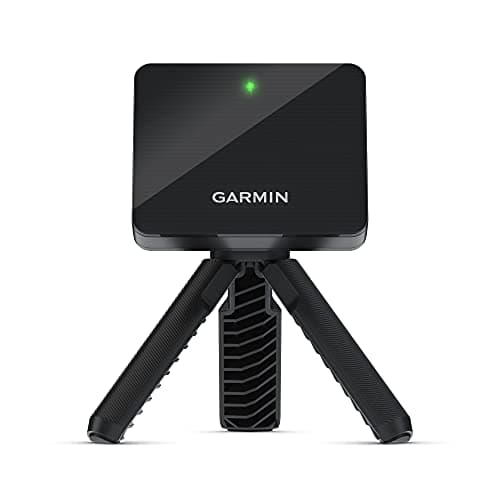
The room decides this purchase, not the device — every radar unit needs about fourteen feet in one direction. Five monitors worth buying, and what each one's numbers really cost.
Our top pick
Garmin Approach R10 Portable Launch Monitor
$499.99 · View on AmazonPrice as of October 23, 2026. #ad How we’re funded
Garmin Approach R10 Review
The top pick in our launch monitors roundup, read against Garmin's own published tolerances — which numbers the radar measures, which ones an algorithm works out, and the room it needs before any of them mean anything.
Our top pick
Garmin Approach R10 Portable Launch Monitor
$499.99 · View on AmazonPrice as of October 23, 2026. #ad How we’re funded
Callaway Supersoft vs Titleist TruFeel
The two soft golf balls a beginner is most likely to pick up, compared on compression, spin and price per lost ball — plus the third ball that often beats both.
How to Choose a Golf Bag
One question decides this purchase and it is not the brand: walk or ride? The whole decision in order, with three bags for the three common answers.
Golf Simulator vs Launch Monitor
A simulator is a launch monitor plus a screen, a projector and a room — what each setup costs, what the subscriptions add, and which one a beginner should actually buy.
Best Golf Umbrellas
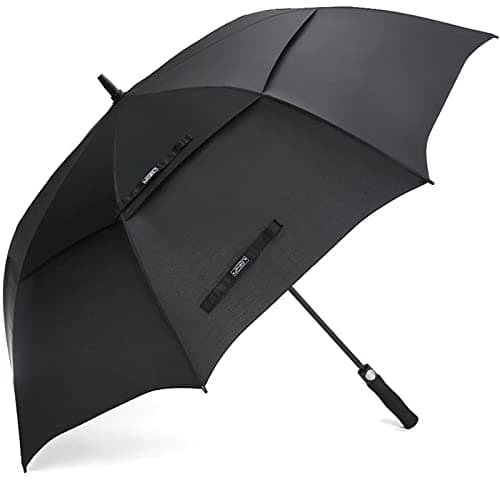
Four specs decide this purchase and the brand is not one of them — canopy size, double-canopy venting, the open mechanism, and where it lives when it is not raining.
Our top pick
G4Free 68 Inch Automatic Open Double Canopy Golf Umbrella
$30.99 · View on AmazonPrice as of October 23, 2026. #ad How we’re funded
Garmin Approach S12 Review
Our top pick in the golf watches roundup, examined against Garmin's own published specs — what the 42,000-course database really buys you, and the three features it leaves out.
Our top pick
Garmin Approach S12 Golf GPS Watch
$199.99 · View on AmazonPrice as of October 23, 2026. #ad How we’re funded
Best Golf Gloves for Sweaty Hands
Why premium leather is the wrong glove for a humid round, which synthetics actually breathe, and the two-glove rotation that solves it.
Our top pick
FootJoy WeatherSof Glove (2-pack)
$22.97 · View on AmazonPrice as of October 23, 2026. #ad How we’re funded
Best Golf Bag for a Push Cart
Which bag you can still reach into with a cart strap across it - stand, hybrid or cart bag, and the test to run on the one you own.
Our top pick
OGIO Woode Hybrid Stand Bag
Golf Glove: Which Hand?
Your lead hand - left for a right-handed golfer. Plus how to size a glove at home and what a cadet size actually is.
What to Put in a Golf Bag
Eleven things that belong in there before your first round, which pocket each one goes in, and what to leave at home.
What Size Golf Tee Do I Need?
Two lengths cover every shot - and tee height changes your ball flight more than most beginners realise.
FootJoy WeatherSof Review
Our top glove pick, examined against FootJoy's own published feature copy — the PowerNet mesh, the MicroTac palm, and why the two-pack is the real argument.
Our top pick
FootJoy WeatherSof Glove (2-pack)
$22.97 · View on AmazonPrice as of October 23, 2026. #ad How we’re funded
3-Wheel vs 4-Wheel Push Cart
A real engineering trade, not a marketing one: three wheels pivot and pack smaller, four stay put on a slope. Your course decides it.
What Golf Ball Should I Use?
Compression, piece count and cover material in the makers' own words — plus why there is no authoritative compression chart and what to use instead.
Best Golf Rangefinders With Slope
Slope is not allowed in competition, so the feature to buy is a slope you can switch off — the four units that do it, ranked on the toggle.
Our top pick
Callaway 300 Pro Slope Laser Rangefinder
Callaway Supersoft vs Srixon Soft Feel
Two soft budget balls with almost the same pitch. Compression, launch and cost per lost ball — and the one question that actually decides it.
Best Golf Alignment Sticks
Two painted rods that cost less than a sleeve of balls - ranked on the only things these listings publish, plus the Rule that keeps them out of your round.
Our top pick
GoSports Golf Alignment Training Sticks (3-Pack, 48")
$14.99 · View on AmazonPrice as of October 23, 2026. #ad How we’re funded


Getting the gear right as a beginner
Three simple principles cover the balls, bags and accessories you will buy first. Follow them and you will spend less and enjoy the round more.
Play a soft, cheap ball
Beginners should play a soft, low-compression, low-spin ball. It flies straighter (which flatters a slice), feels good, and — crucially — costs little, because you will lose a few while you are learning. Premium tour balls are built for spin control a beginner cannot yet use, so they are wasted money at this stage. Match the ball to your game, not to what the professionals play.
Pick a bag by how you will get around
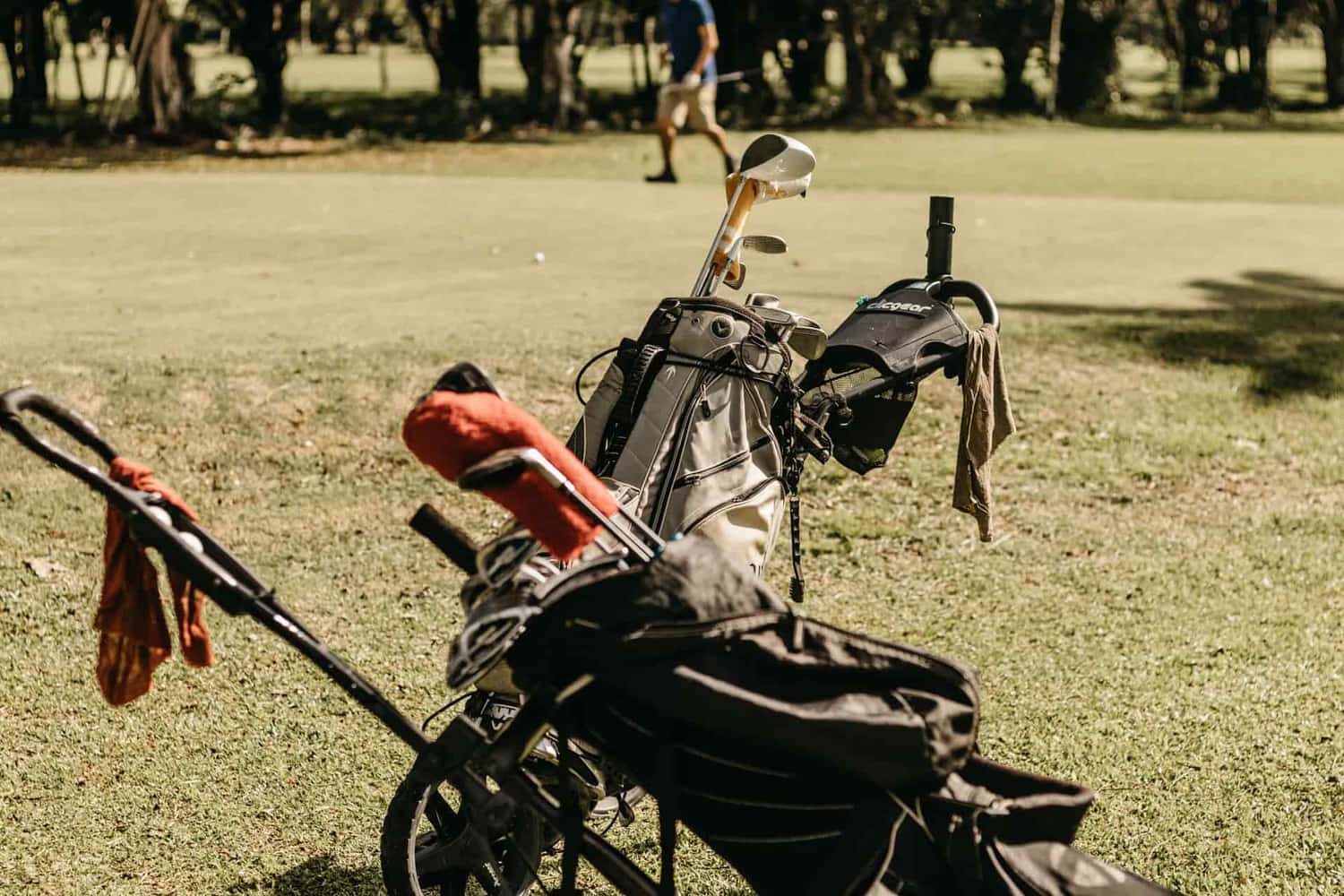
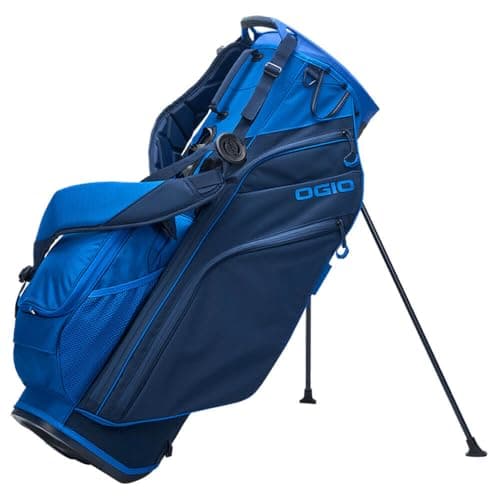
The big bag decision is simple: are you going to walk or ride a cart? Walkers want a light stand bag with a dual strap and legs. Riders can use a heavier cart bag with more storage and full-length dividers. If you are not sure yet, a hybrid bag does both. Weight versus storage is the trade-off; there is no single right answer, only the right one for you.
Don’t skip the small stuff
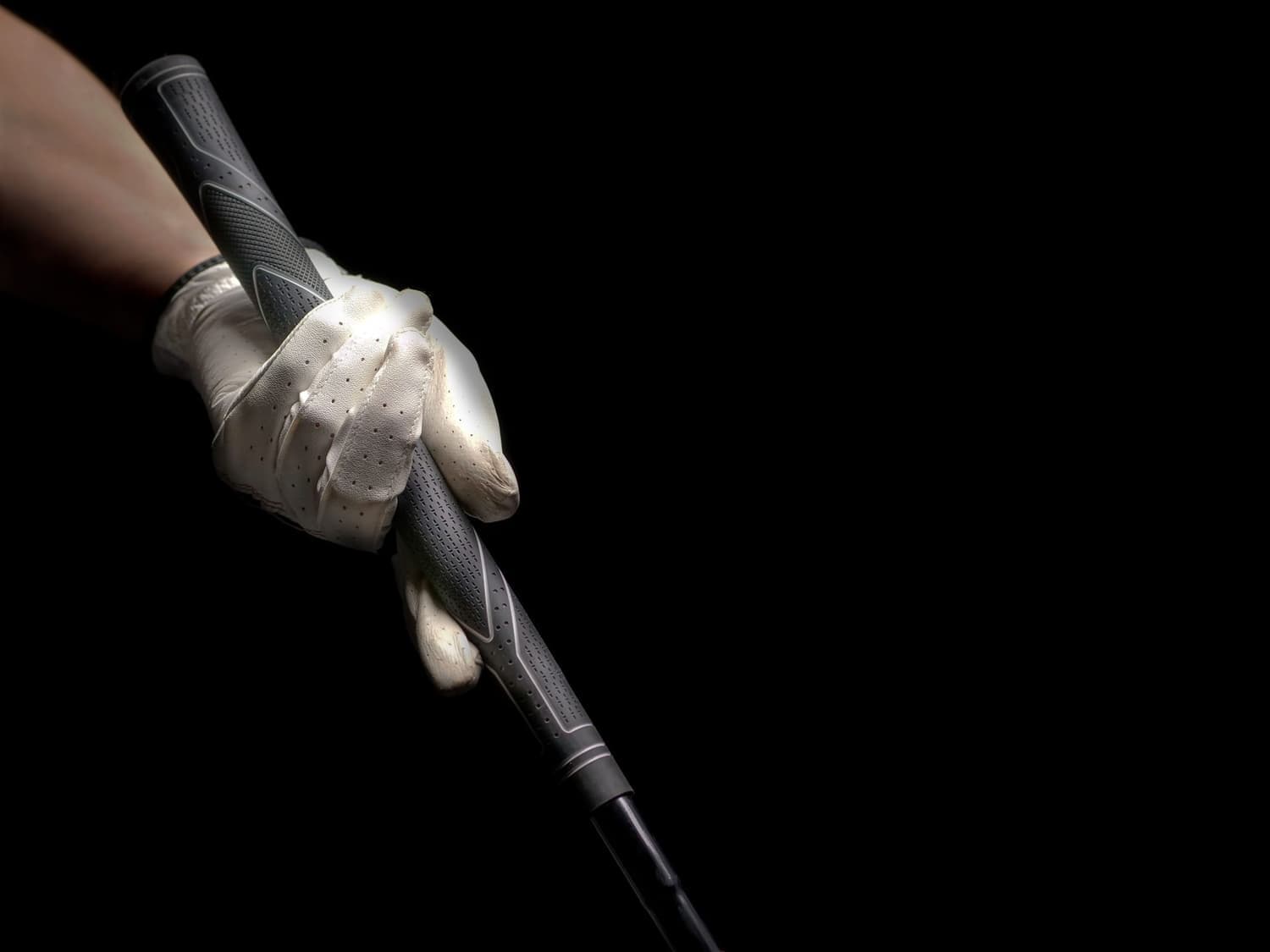
A glove that fits improves your grip and prevents blisters — and it goes on your lead hand (the left, for a right-handed golfer). Buying gloves in a two-pack is sensible because beginners wear through them. A few tees, a couple of ball markers and a towel round out a starter kit for the price of a sleeve of balls.
Frequently asked questions
What golf ball should a beginner use?
A soft, low-compression, low-spin ball like the Callaway Supersoft or Titleist TruFeel. It flies straighter, feels good, and is cheap enough to lose without frustration. Avoid premium tour balls until your swing is more consistent.
Do I need a stand bag or a cart bag?
Get a stand bag if you plan to walk — it is lighter and has legs and a dual strap for carrying. Get a cart bag if you will ride, since it holds more but is too heavy to carry far. A hybrid bag does both if you are undecided.
Which hand does a golf glove go on?
Your lead hand — the top hand on the grip. A right-handed golfer wears a glove on the left hand and buys a left-hand glove; a left-handed golfer does the reverse. Check the listing before you buy.