How to choose golf shoes as a beginner
Golf shoes have improved enormously in the last decade — the best ones now feel more like a supportive sneaker than the stiff leather brogues of old. That is good news for a beginner, because it means the most comfortable shoe is often also a perfectly capable one. Here is what actually matters.
Comfort is the real spec
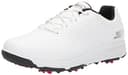
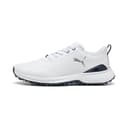
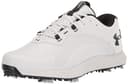
You will spend far more time walking in these shoes than swinging in them, so cushioning and a comfortable fit out of the box matter more than any marketing claim. A shoe that pinches on hole three is a long afternoon. The Skechers Torque Pro and the PUMA Fusion Grip lean hardest into plush cushioning; the Under Armour Charged Draw gives you a firmer, more athletic feel if you prefer that underfoot. None of these is wrong — it is genuinely a matter of taste, so pick the feel you like.
Spiked vs spikeless
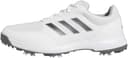
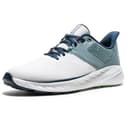
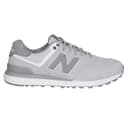
The big fork in the road. Spiked shoes, like the adidas Tech Response, use small replaceable cleats that grip the turf hard — great if you swing aggressively or play in the wet, at the cost of being clumsy to wear anywhere but the course. Spikeless shoes, like the FootJoy FJ Flex and the New Balance 574 Greens, use a molded, dimpled sole that grips a little less but is far comfier to walk in and wearable off the course. For most beginners spikeless is the easier first buy, but it is worth understanding the trade-off — we lay it out in full in our spiked vs spikeless guide.
Waterproofing matters more than you think
Golf is a morning game, and mornings mean dew. Grass that looks dry at 8am will soak canvas trainers by the second fairway, and wet feet are miserable feet. A shoe with a genuine waterproof membrane — the Skechers Torque Pro is a good example — keeps you dry through the dew and the odd shower, which does more for your comfort over a season than almost anything else. If you play early, treat waterproofing as close to essential.
Fit for walking all day
Buy for the walk, not the swing. Try shoes on later in the day when your feet are at their largest, leave a little room in the toe, and wear the socks you will actually play in. A shoe that is snug in the shop can feel a size too small after four miles. Once your feet are sorted, the rest of your kit is easy — a light pair of golf sunglasses and knowing a little course etiquette is all you need to feel at home on the first tee.
Not sure you need golf shoes at all?
That is a fair question, and we answer it honestly in do you need golf shoes— what courses actually require, when trainers are genuinely fine, and the three things that should make you buy a pair. The comfort pick above is covered in full in the Skechers Go Golf Torque Pro review.
One last thing: this roundup ranks for all-round use rather than for distance. If you walk your rounds - and most beginners do, because a cart costs money every time - best golf shoes for walking re-ranks the same field on cushioning and waterproofing first, which is the order that matters over four or five miles.