What to Put in a Golf Bag
Eleven things that belong in there, four that are worth spending money on, and a short list of what to leave at home. Written for the bag you are packing the night before your first round.
How this is funded: we earn a commission if you buy through our links, at no extra cost to you. It never changes which product we recommend, and we’ll tell you when we’d skip one. Full disclosure.
The short list: clubs (fourteen maximum), a dozen balls, a dozen tees, a glove, a towel, a ball marker, a divot tool, a pencil, sunscreen, water and a rain jacket. That is the whole thing. Everything beyond it is preference, and almost everything beginners add beyond it gets carried four miles and never used.
This page is in two halves: what goes in, and where it goes - because a bag with the right contents in the wrong pockets is still annoying for four hours. If you have not bought the bag yet, start with how to choose a golf bag and come back.
1. Clubs: fourteen is the ceiling, not the target
The number is fixed by the Rules and it is worth knowing precisely, because beginners regularly end up over it by accident after buying a set and then adding a club. Rule 4.1b(1) states that a player must not start a round with more than 14 clubs, or have more than 14 clubs during the round.
There is no minimum. That is the part nobody mentions, and it matters more to a new golfer than the maximum does. A driver, one fairway wood or hybrid, irons from about 6 down to a pitching wedge, a sand wedge and a putter is nine or ten clubs, covers every shot you can currently hit, and is noticeably lighter to walk with. The long irons most package sets omit are omitted because beginners cannot hit them - how many clubs in a bag breaks down what a sensible beginner fourteen actually looks like.
One housekeeping note while the clubs are out of the bag: count them before you tee off, not on the fifth hole. If you have borrowed a club or thrown an old wedge in the base and forgotten it, that is how a casual round ends up with a penalty attached.
2. The eleven things, in order of how often you will need them
Balls - a dozen, minimum. You will lose balls, and that is not a failure of character. Eighteen is a reasonable number for an early round. Buy the cheap brand-name soft balls while this is true; cost per ball matters more right now than anything a premium ball offers.
Tees - a dozen, in two lengths if you can. They snap, they fly off into the rough, and they weigh nothing. Carrying one tee is how you end up teeing off a divot on the fourteenth.
A glove, on your lead hand. Left hand for a right-handed golfer. Clip the spare to the outside of the bag rather than burying it - a damp glove in a pocket is a worse glove by the back nine.
A towel, damp. Hooked on the outside. It cleans clubfaces, which genuinely affects how the ball comes off, and it dries your hands and the ball. One damp corner and one dry corner is the trick.
A ball marker.A small flat disc you place behind your ball before lifting it on the green. A coin works. Without one you cannot clean your ball or move it out of somebody’s line, both of which come up every round.
A divot repair tool. A two-pronged fork for pushing the turf back around the pitch mark your approach shot leaves on the green. A tee works in a pinch. Repairing your own mark is the most basic piece of course etiquette there is, and the Rules expect considerate play from everybody.
A pencil. For the scorecard. The pro shop has them free and the bag has a slot for one.
Sunscreen. Four to five hours outside, with no shade on a links course and very little on most others. This is the item most beginners skip and most experienced golfers never travel without.
Water. At least a litre for eighteen holes, more in heat. If your bag has an insulated pocket, that is what it is for.
A rain jacket. Packable, in the big pocket, permanently. Weather forecasts are four hours wrong often enough that the jacket lives in the bag rather than in the decision.
A few plasters. Thirty cents of insurance against the blister that ends your round on the eleventh.
The four things in that list worth buying rather than scrounging
Seven of the eleven are free or nearly free - a coin, a pencil, a tee as a divot tool, a towel from the airing cupboard. These four are the ones where what you buy actually changes the round, and all four come from our existing roundups rather than being picked for this page. Prices are live and carry the date they were checked.
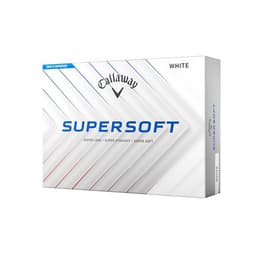
Callaway Supersoft Golf Balls
The default beginner ball, and rightly so: soft, low-spin, straight-flying and cheap enough that losing a few in the trees does not hurt. Start here.
- What it is
- Low-compression, low-spin golf balls
- Who it’s for
- Every beginner - soft, straight and cheap enough to lose without flinching
Price as of October 10, 2026. #ad How we’re funded
Specs read from the product listing, on July 23, 2026.
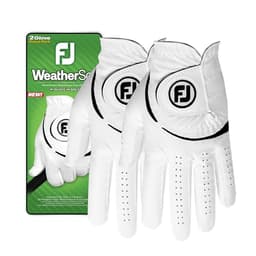
FootJoy WeatherSof Glove (2-pack)
The best-selling glove in golf, sold here in a two-pack. Durable synthetic-and-leather build, all-weather grip, and buying two at once is exactly what a beginner (who wears through gloves) should do.
- What it is
- All-weather synthetic and leather glove, 2-pack
- Who it’s for
- Your lead hand, with the spare clipped to the bag to dry
Price as of October 10, 2026. #ad How we’re funded
Specs read from the product listing, on July 23, 2026.
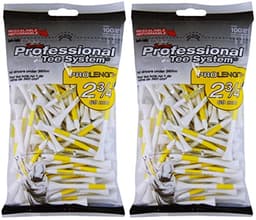
Pride Professional Tee System ProLength 2¾" (200)
The default. Pride's PTS tees are the ones most golf shops sell and most golfers use, the 2¾-inch length suits irons and most drivers, and 200 of them will last a beginner a very long time — which matters, because beginners break tees.
- What it is
- 2 3/4-inch wooden tees, 100 count, pack of 2
- Who it’s for
- The all-round tee - carry a dozen and stop thinking about it
Price as of October 10, 2026. #ad How we’re funded
Specs read from the product listing, on August 11, 2026.
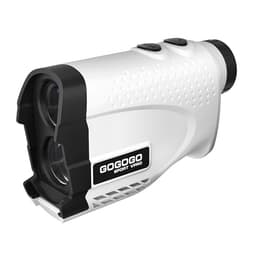
Gogogo Sport Vpro GS24 Laser Rangefinder
The cheapest way to stop guessing yardages. It will not feel like a premium instrument and the glass is ordinary, but it measures distance accurately, which is the entire job. For a beginner who is not yet sure they want one, start here.
- What it is
- Laser rangefinder, 1,200-yard stated range
- Who it’s for
- The one optional extra that earns its weight, once you can reach a green
Specs read from the product listing, on August 11, 2026.
| Pick | What it is | Who it’s for |
|---|---|---|
| Callaway Supersoft Golf Balls | Low-compression, low-spin golf balls | Every beginner - soft, straight and cheap enough to lose without flinching |
| FootJoy WeatherSof Glove (2-pack) | All-weather synthetic and leather glove, 2-pack | Your lead hand, with the spare clipped to the bag to dry |
| Pride Professional Tee System ProLength 2¾" (200) | 2 3/4-inch wooden tees, 100 count, pack of 2 | The all-round tee - carry a dozen and stop thinking about it |
| Gogogo Sport Vpro GS24 Laser Rangefinder | Laser rangefinder, 1,200-yard stated range | The one optional extra that earns its weight, once you can reach a green |
3. Where everything goes
Pocket placement is the difference between a bag that works and a bag you fight. The rule is simple: the more often you need something, the closer it goes to the top of the bag and the side you walk on.
- Top side pocket - balls and tees. This must be reachable without unstrapping the bag from a cart.
- Small zipped or velvet-lined pocket - phone, keys, wallet. That lining is there to stop your phone being scratched, and it is the only pocket in the bag designed for valuables.
- Largest pocket - rain jacket, spare layer. Low and central, because it is the heaviest thing you carry and weight low in the bag is weight you notice less.
- Insulated pocket - water, if you have one.
- Outside clips and rings - towel on the ring, glove clipped on, divot tool and marker in the small top pocket you can reach one-handed from the green.
If you push a cart, there is one extra check: strap the bag in and then try to open the pocket with the balls in it. On a bag with no strap channel the cart strap can lie straight across it, which is exactly the problem the best golf bag for a push cart is about.
4. What to leave at home
Everything in this paragraph is something beginners genuinely carry. A full bottle of club cleaner - the damp towel does the job. Four spare headcovers for clubs you do not own. A dozen loose balls rolling around the base of the bag, which is nearly four pounds of weight you cannot reach. A jumper for weather that is not forecast. A second putter. A rangefinder you will not take out because you do not yet know your distances.
That last one deserves nuance rather than dismissal, because a rangefinder is a genuinely good purchase - just not your first one. It earns its place once you can reliably reach the green you are aiming at, because before then the number it gives you is not actionable. When you get there, our rangefinder roundup is the place to start, and rangefinder vs GPS watch covers the choice between the two formats.
Pack the eleven, skip the rest, and check the club count before you tee off. If you are also wondering what to wear while you carry it, what to wear golfing handles the dress-code side, and first round etiquette covers the rest of what nobody tells you before you walk to the first tee.
Frequently asked questions
What should a beginner put in a golf bag?
Clubs (no more than fourteen), at least a dozen balls, a dozen tees, a glove, a towel, a ball marker, a divot tool, a pencil, sunscreen, water and a rain jacket. That list covers every situation a beginner will meet in a round and costs very little beyond the clubs themselves.
How many golf clubs can you carry in your bag?
Fourteen. Rule 4.1b(1) of the Rules of Golf states that a player must not start a round with more than 14 clubs or have more than 14 clubs during the round. There is no minimum, so carrying fewer is entirely legal - and a beginner genuinely does not need all fourteen.
How many golf balls should I carry as a beginner?
At least a dozen, and eighteen is not excessive in your first season. Losing balls is part of learning, and running out on the twelfth hole is a miserable way to finish a round. This is also why the cheapest brand-name balls in fifteen-ball boxes make sense early on - cost per ball matters more than spin numbers while you are still finding the fairway.
What goes in each pocket of a golf bag?
Put balls and tees in the pocket you can reach without unhooking the bag, valuables in the small zipped or velvet-lined pocket, the rain jacket in the largest pocket, and water in the insulated one if your bag has it. Keep the glove clipped to the outside so it can dry between nines rather than sitting damp in a pocket.
Do I need a divot tool and a ball marker?
Yes, and they cost almost nothing. A ball marker lets you lift and clean your ball on the green without losing your spot; a divot tool repairs the pitch mark your approach shot leaves. Repairing your mark is basic course etiquette and the Rules expect considerate play - a coin and a tee will stand in for both if you forget.
What should I not put in my golf bag?
Anything heavy you will not use. Beginners routinely carry a full bottle of club cleaner, a rangefinder they never take out, several spare headcovers, a dozen loose balls rolling in the base and a jumper for weather that is not forecast. On a walked round every pound of that is carried four to five miles.
Can I carry fewer than 14 clubs?
Yes, and most beginners should. There is no minimum in the Rules. A driver, a fairway wood or hybrid, a handful of irons, a wedge and a putter covers everything you can currently use, and a lighter bag makes walking far more pleasant. Fill the gaps as your swing finds them, not before.
Sources
- USGA — Rule 4: The Player's Equipment — The official Rule limiting a player to 14 clubs and governing conforming equipment (accessed July 23, 2026)
- USGA — Rules Hub: Clubs — USGA overview of the 14-club limit and the freedom to carry any conforming club types (accessed July 23, 2026)
Keep reading
How to Choose a Golf Bag
The bag itself: weight, dividers, pocket layout and sizing, with picks after the criteria.
Read the guideHow Many Clubs in a Bag?
The fourteen-club rule, what a typical beginner's fourteen looks like, and why fewer is fine.
Read the guideBest Golf Tees
Wood, plastic, bamboo and the step-up designs - the cheapest thing in the bag, compared properly.
See the teesBest Golf Balls for Beginners
The soft, low-compression balls worth losing, with live prices and honest cost-per-ball reasoning.
See the ballsFirst Round Etiquette
Where the divot tool and ball marker actually get used, and the rest of what nobody tells you.
Read the guideWhich Hand Does a Golf Glove Go On?
Your lead hand - plus how to size a glove and what a cadet size means.
Read the guide