Tee & Tempo

The Best Golf Gloves for Beginners

The best-value gloves, which hand the glove actually goes on, and the leather-versus-synthetic trade-off in plain English.

By Stephen V.Last updated How we pick

The most common question a new golfer has about gloves is not which brand to buy — it is which hand the thing goes on. Here is the answer: you wear one glove, on your lead hand, which is the hand at the top of the grip. For a right-handed golfer that is the left hand; for a left-handed golfer, the right. The glove goes on the hand that does the pulling and gripping through the swing, where it saves you from blisters and stops the club slipping. Your trailing hand stays bare.

With that sorted, the only real decision left is leather versus synthetic. Leather feels softer and grips beautifully but wears out faster, especially in the wet; synthetic lasts longer and shrugs off rain but feels a touch less plush. For most beginners the smart money is on a durable synthetic — ideally a value multipack, because a new golfer grips too tightly and wears through gloves quickly while learning. Below are the gloves we would actually recommend, from the best-value everyday pick to premium leather for the day you want to treat yourself, with the FootJoy WeatherSof as the safe default.

How this is funded:we earn a commission if you buy through our links, at no extra cost to you. It never changes which product we recommend, and we’ll tell you when we’d skip one. Full disclosure.

Quick picks

Ranked on forgiveness, how complete the pick is, and value for a beginner. Select a row to jump to the full write-up. We have not hit these clubs on a launch monitor — here is exactly what we do instead.

#ProductBest forPrice
1
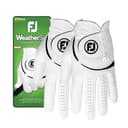
FootJoy WeatherSof Glove (2-pack)

FootJoy WeatherSof Glove (2-pack)

The best-selling glove in golf, sold here in a two-pack. Durable synthetic-and-leather build, all-weather grip, and buying two at once is exactly what a beginner (who wears through gloves) should do.

Best overall value
$22.95 · View on Amazon

Price as of July 23, 2026. #ad How we’re funded

2
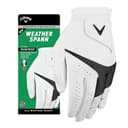
Callaway Weather Spann Glove

Callaway Weather Spann Glove

A soft synthetic glove that punches above its price for feel and grip. A great everyday choice, especially if you like a thinner, more connected feel on the grip.

Best budget feel
$12.99 · View on Amazon

$13.997% off

Price as of July 23, 2026. #ad How we’re funded

3
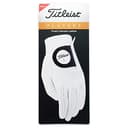
Titleist Players Glove

Titleist Players Glove

A premium cabretta-leather glove for the beginner who wants the best feel and does not mind replacing it more often. Thin, tacky, tour-grade leather — feel over durability.

Best leather feel
$30.95 · View on Amazon

Price as of July 23, 2026. #ad How we’re funded

4
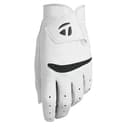
TaylorMade Stratus Soft Glove

TaylorMade Stratus Soft Glove

A leather glove at a friendlier price than tour-grade options — a middle ground between the plush Titleist Players and a workhorse synthetic. Good feel without the top-tier cost.

Best leather value
$16.99 · View on Amazon

Price as of July 23, 2026. #ad How we’re funded

5
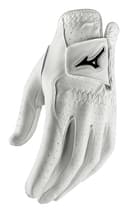
Mizuno Pro Leather Glove

Mizuno Pro Leather Glove

Full-leather quality from a brand better players respect. If you have decided golf is for you and want a glove that feels like a proper piece of kit, the Mizuno Pro is a quietly excellent buy.

Best premium leather
$25.06 · View on Amazon

Price as of July 23, 2026. #ad How we’re funded

The picks in full

#1Best overall value

FootJoy WeatherSof Glove (2-pack)

The best-selling glove in golf, sold here in a two-pack. Durable synthetic-and-leather build, all-weather grip, and buying two at once is exactly what a beginner (who wears through gloves) should do.

Strengths

  • Two-pack value — beginners go through gloves quickly
  • Durable, all-weather materials that last
  • The most popular glove on the market, so sizing is well understood

Trade-offs

  • Not as buttery as a full-leather glove
  • Synthetic feel is a touch less premium
What it isAll-weather synthetic/leather glove, 2-pack
In the boxNot published
HandednessWorn on the lead hand (left glove for a right-handed golfer)
Shaft / flexNot published
Best forMost beginners, Anyone who wears through gloves

Beginner note. A right-handed golfer wears the glove on the LEFT hand (the top hand on the grip) — the single most common sizing confusion for beginners.

Specs read from the product listing, on July 23, 2026. “Not published” means the listing does not state it.

#2Best budget feel

Callaway Weather Spann Glove

A soft synthetic glove that punches above its price for feel and grip. A great everyday choice, especially if you like a thinner, more connected feel on the grip.

Strengths

  • Soft, thin synthetic that grips well
  • Holds up to regular play for the price
  • Callaway sizing is easy to find

Trade-offs

  • Sold as a single, so cost-per-glove is higher than a multipack
  • Thin feel wears faster than thicker gloves
What it isSoft synthetic all-weather glove
In the boxNot published
HandednessWorn on the lead hand
Shaft / flexNot published
Best forFeel-focused beginners, Callaway set owners

Beginner note. Thinner gloves give a more 'connected' feel to the grip; thicker ones last longer. It is a personal-preference trade-off, not a quality difference.

Specs read from the product listing, on July 23, 2026. “Not published” means the listing does not state it.

#3Best leather feel

Titleist Players Glove

A premium cabretta-leather glove for the beginner who wants the best feel and does not mind replacing it more often. Thin, tacky, tour-grade leather — feel over durability.

Strengths

  • Premium cabretta leather — the softest, tackiest feel
  • Thin and connected for maximum grip feedback
  • Titleist quality throughout

Trade-offs

  • Leather wears faster, especially in wet weather
  • The most expensive glove here, per glove
What it isCabretta-leather premium glove
In the boxNot published
HandednessWorn on the lead hand
Shaft / flexNot published
Best forFeel-first beginners, Dry-weather players

Beginner note. Cabretta is a soft sheepskin leather prized for feel; it grips beautifully but does not last as long as synthetic, and dislikes rain.

Specs read from the product listing, on July 23, 2026. “Not published” means the listing does not state it.

#4Best leather value

TaylorMade Stratus Soft Glove

A leather glove at a friendlier price than tour-grade options — a middle ground between the plush Titleist Players and a workhorse synthetic. Good feel without the top-tier cost.

Strengths

  • Leather feel for less than premium tour gloves
  • Soft and comfortable out of the packet
  • TaylorMade name and easy sizing

Trade-offs

  • Not as durable as an all-synthetic glove
  • Single glove, not a value multipack
What it isSoft leather glove
In the boxNot published
HandednessWorn on the lead hand
Shaft / flexNot published
Best forBeginners wanting leather for less

Beginner note. Sits between full-premium leather and durable synthetic — a sensible compromise if you want leather feel without the fastest wear or the highest price.

Specs read from the product listing, on July 23, 2026. “Not published” means the listing does not state it.

#5Best premium leather

Mizuno Pro Leather Glove

Full-leather quality from a brand better players respect. If you have decided golf is for you and want a glove that feels like a proper piece of kit, the Mizuno Pro is a quietly excellent buy.

Strengths

  • Premium leather feel and construction
  • Mizuno's craftsmanship reputation
  • Comfortable, close fit

Trade-offs

  • Leather wears faster than synthetic
  • Less common on shelves than FootJoy or Callaway
What it isPremium leather glove
In the boxNot published
HandednessWorn on the lead hand
Shaft / flexNot published
Best forCommitted beginners, Feel-focused players

Beginner note. Leather gloves reward you with feel and cost you in durability — the same trade every premium glove makes. Rotate two so each dries out between rounds.

Specs read from the product listing, on July 23, 2026. “Not published” means the listing does not state it.

How to choose a beginner golf glove

A glove is a small, cheap purchase that makes a real difference: it improves your grip, prevents blisters and gives you the confidence to hold the club lightly. Getting it right comes down to three things — the correct hand, the right material and a proper fit.

Wear it on your lead hand

To say it once more, because it trips up nearly everyone at the start: the glove goes on your lead hand, the one higher up the grip. A right-handed player wears a left-hand glove, and a left-handed player wears a right-hand glove. You only need the one — the trailing hand is left bare for feel — which is why golf gloves are sold singly far more often than in pairs. When you buy online, remember that a “left-hand glove” is the one a right-handed golfer wants, so read the listing carefully before you order.

Leather or synthetic?

This is the trade-off that separates the picks. A durable synthetic glove is the sensible beginner default: it handles rain, lasts through plenty of practice and costs little, and buying a multipack like the FootJoy WeatherSof two-pack means you always have a spare when one wears out. The Callaway Weather Spannis a soft, grippy synthetic that punches above its price. Leather, on the other hand, feels wonderful — thin, tacky and connected — but it wears faster and hates getting wet. If you want that feel, the TaylorMade Stratus gets you leather for less, while the Titleist Players and Mizuno Pro are premium leather for the golfer who has decided the game is for them. Whatever you pick, rotating two gloves so each dries out between rounds makes any of them last longer.

Getting the fit right

A golf glove should fit like a second skin: snug across the palm and fingers with no loose material at the fingertips, because a baggy glove twists on the grip and wears out sooner. If your fingers are on the longer side you may want a “cadet” size, which is cut with shorter fingers and a wider palm. Try to buy your first one in a shop if you can, so you can feel the fit — then reorder the same size online. When your hands are sorted, it is worth reading up on the best golf shoes for the other bit of kit that keeps you comfortable, and how to choose your clubs if you are still building out your bag.

Frequently asked questions

Which hand does a golf glove go on?

On your lead hand — the hand at the top of the grip. A right-handed golfer wears the glove on the left hand, and a left-handed golfer wears it on the right. You only need one glove, worn on that lead hand; the trailing hand stays bare for feel. When shopping, remember a 'left-hand glove' is the one a right-handed player wants.

Do I need to wear a golf glove at all?

You do not have to, but most golfers do and beginners especially benefit. A glove improves grip, helps prevent blisters and lets you hold the club more lightly, which is good for your swing. Some players go without on the putting green or in hot weather, but for full swings a glove on the lead hand is well worth the small cost.

Should a beginner buy leather or synthetic gloves?

Synthetic, in most cases. Synthetic gloves are more durable, handle rain better and cost less, which suits a beginner who grips tightly and wears through gloves quickly. Leather feels softer and grips a little better but wears out faster and dislikes wet weather. Start with a value synthetic multipack and try leather later if you want to treat yourself.

How should a golf glove fit?

Snugly, like a second skin. It should be tight across the palm and fingers with no loose material bunching at the fingertips, because a loose glove slips on the grip and wears out faster. If your fingers are long relative to your palm, look for a 'cadet' size. When in doubt, try one on in a shop before buying more online.

How long does a golf glove last?

It depends on how often you play and how tightly you grip, but beginners often wear one out faster than experienced players. A synthetic glove might last many rounds; a leather one wears sooner, especially in the wet. Rotating two gloves so each dries out between rounds makes both last longer — one more reason value multipacks make sense while you are learning.

Sources

Keep reading