How Golf Works
New to the whole game? Plain-English guides to the rules, the clubs, the lingo and your first round — no jargon left unexplained. The bridge from learning to buying.
Golf has a reputation for being a members-only club with its own language, its own rules, and a thousand unwritten expectations. It is not. Underneath the jargon it is a simple game: hit a ball into a hole in as few shots as you can, and try not to annoy anyone while you do it. Everything else is detail you can learn as you go — and this is where you learn it, in plain English, with nothing assumed.
These guides answer the questions every beginner actually asks: how to start, what clubs you need, how many are allowed in the bag, what all the terms mean, and how a handicap works. Read what you need, ignore what you do not, and come back when a new question comes up.
Everything in How to Play
How to Start Playing Golf
The complete beginner's starting guide — what you need, what to skip, and the least intimidating way to play your first holes.
What Golf Clubs Do I Need as a Beginner?
The short 'starter bag' list, and the one safe-default answer for anyone who doesn't want to think about it.
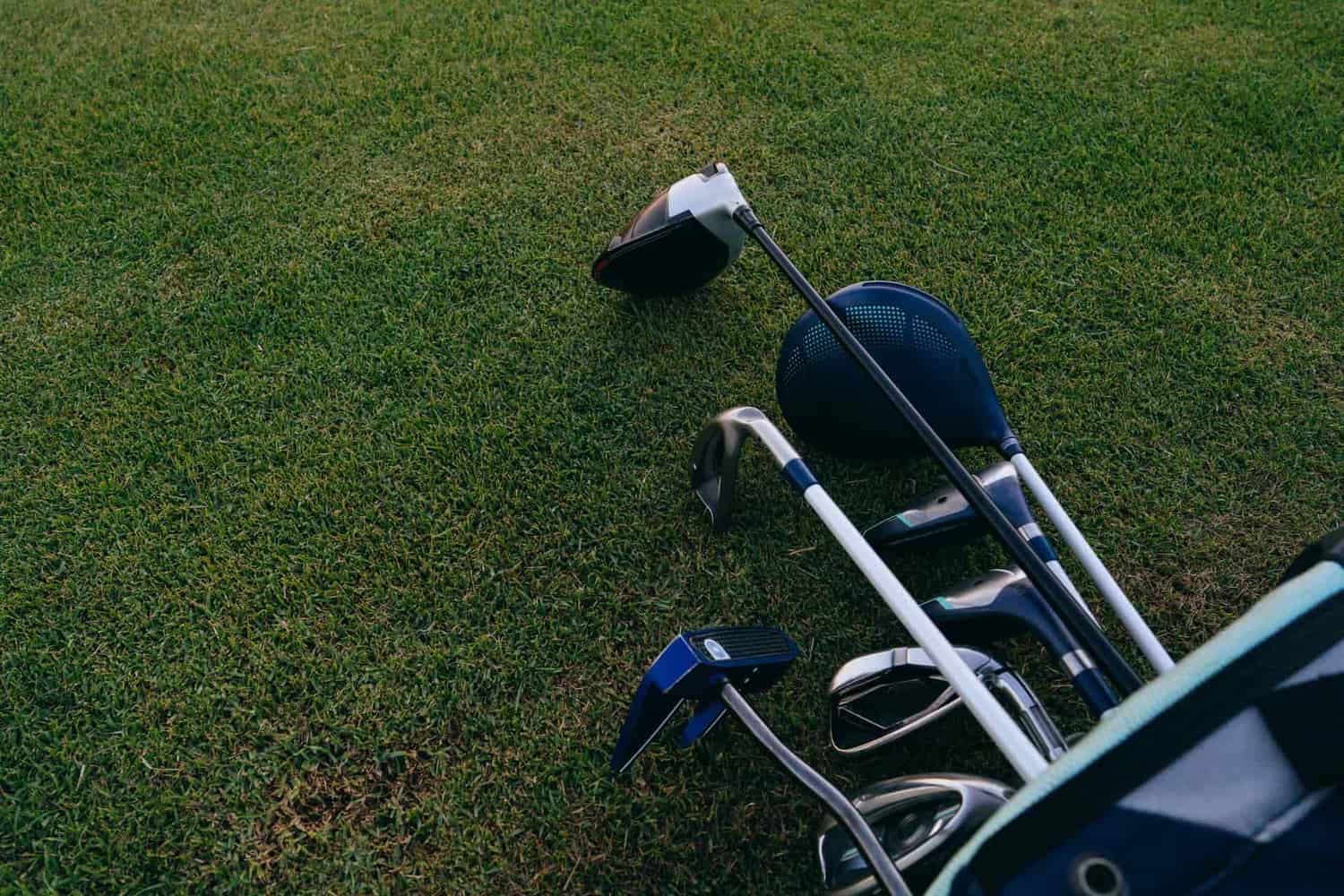
How Many Golf Clubs Are in a Bag?
The answer is 14 — here's the rule, why it exists, and a sensible beginner's 14 that leaves the hard clubs at home.
Golf Clubs Explained (with the Numbers)
What every club is for, what the numbers mean, and roughly how far each one goes — in one plain table.
Golf Rules for Beginners
The handful of rules you actually need to play your first round, scoring included — the rest can wait.
Golf Terms & Lingo: A Beginner's Glossary
Birdie, bogey, fore, mulligan, forgiveness, offset — every bit of golf jargon, defined in one sentence each.
Golf Handicap Explained (Simply)
What a handicap is, how it's worked out, and why you don't need one to start — with a worked example.
How to Choose Golf Clubs for Beginners
The three things that actually matter when picking clubs — forgiveness, flex and fit — and how to not overthink it.
Golf Etiquette for Your First Round
How to not feel out of place: pace of play, where to stand, ready golf, and the unwritten rules that put you at ease.
How Much Do Golf Clubs Cost?
Real numbers for every route into the game — a full starter budget, what you can skip, and where the money is genuinely well spent.
Used vs New Golf Clubs for Beginners
Secondhand clubs can be the best value in golf or an expensive mistake. How to tell which, before you hand over the cash.
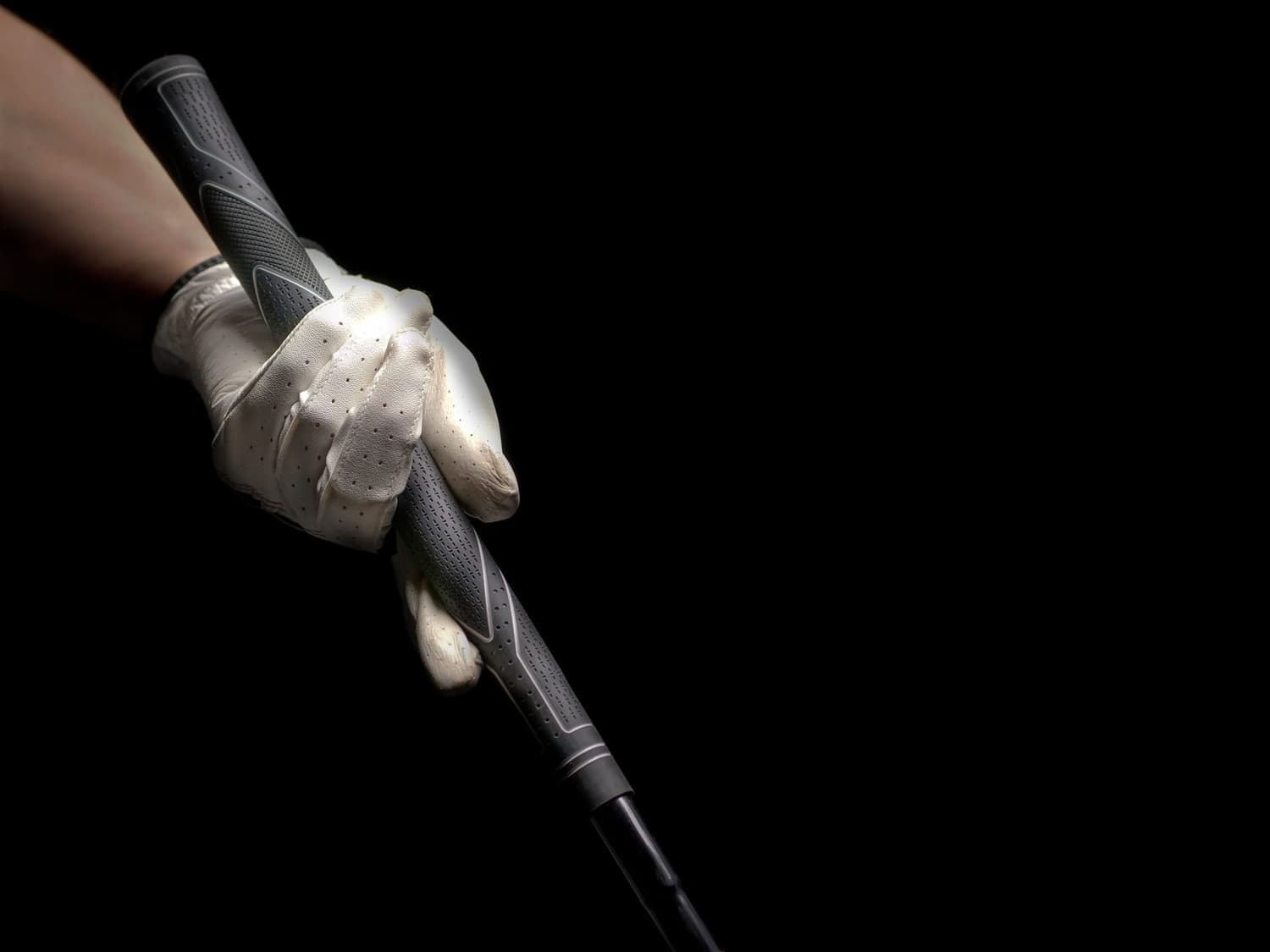
How to Grip a Golf Club
The one fundamental worth getting right on day one, in five steps — plus the grip mistake behind most beginner slices.
How to Fix a Slice
Why the ball curves right, what actually causes it, and the setup changes and equipment that genuinely help.
When to Upgrade Your Golf Clubs
The honest signals that your clubs are holding you back — and the far more common signs that they are not.
How to Hit a Driver
The only club you hit on the way up — and getting that one idea into your setup fixes more than any swing thought.
How to Chip a Golf Ball
The shot that ruins more beginner scorecards than the slice — and the setup that fixes it in one bucket of balls.
Putting Basics for Beginners
Roughly 40 percent of your strokes, the only part of golf you can practice indoors, and almost nobody bothers.
How to Stop Topping the Ball
The cause is almost never what beginners think — and once you know where the bottom of your swing is, the fix is simple.
What Is a Good Golf Score for a Beginner?
Honest numbers rather than flattering ones — what to expect, what the real milestones are, and how to score better today.
Golf Swing Basics for Beginners
Five fundamentals, in the order they matter — and four of them happen before the club starts moving.
How to Hit Irons
One counter-intuitive idea explains nearly every bad iron shot a beginner hits: to make the ball go up, you have to hit down on it.
How to Fix a Hook
The less common miss, and often the more frustrating — because a hook usually means you half-fixed a slice and overshot.
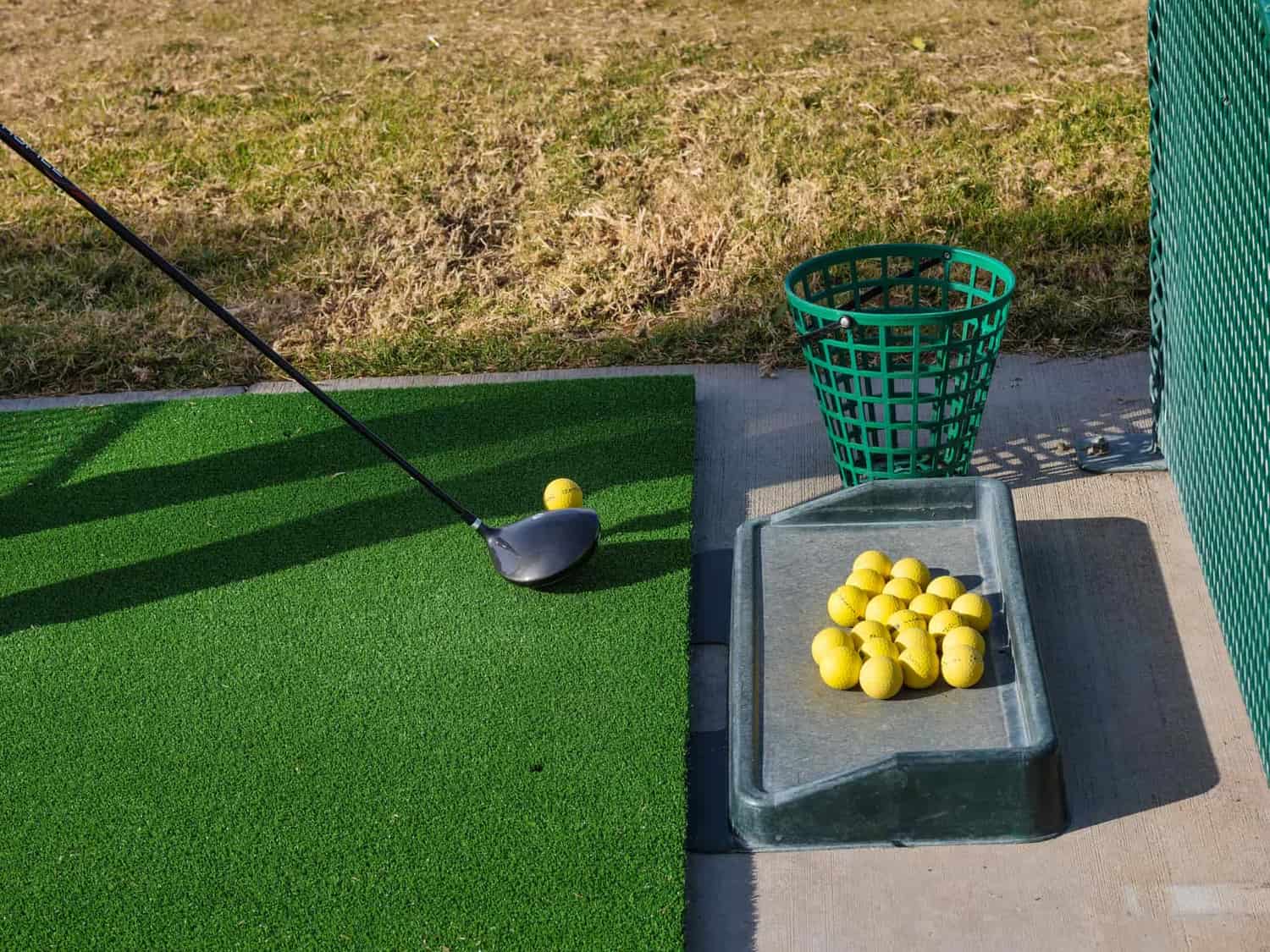
Driving Range Tips for Beginners
Most beginners hit a hundred balls as fast as they can with a driver. Here is the structure that turns a small bucket into real practice.
How Long Does a Round of Golf Take?
Four to four and a half hours for eighteen, and almost none of it is swinging. Where the time goes, and how to be quicker without rushing.
Are Golf Lessons Worth It?
Yes, early, and fewer than you think — plus the cases where the money is genuinely better spent somewhere else.
Golf Club Numbers Explained
A 7 on one club, a P on another, an S on the shaft. Three labeling systems on the same set, and what each one is telling you.
Handicap Index vs Course Handicap
One number travels with you, the other belongs to the course you are standing on — and it changes the moment you move tees.
Are Golf Club Fittings Worth It?
A fitting measures five things. Two of them matter to a beginner, and you can get both without paying anyone — here is when the money is genuinely well spent.
Golf Scramble Rules
The format most beginners play their first-ever round in, explained properly — how it works, what your team needs from you, and why it is the friendliest day in golf.
Walking vs Riding Golf
Cost per round, pace of play, how far you actually walk, and the one purchase that makes walking sustainable.
How to Break 100 in Golf
Bogey golf with four doubles to spare. The five strokes-saving changes that get you there, none of them about swinging better.
How to Hit Out of a Bunker
Hit the sand, not the ball. The five-step greenside shot, what changes in hard sand and fairway bunkers, and exactly what the Rules let you touch.
How to Practice Golf at Home
What genuinely improves indoors, what needs real measured space, and the makers' own published dimensions before you buy a net.
How to Hit a 3 Wood
The hardest club in a beginner's bag, off the deck and off a tee — plus the honest case for carrying a 5-wood or 7-wood instead.
How to Hit a Hybrid
The most forgiving long club a beginner can carry - hit it like a 7-iron, not like a fairway wood, and the published numbers that explain why.




Where to start if you’re brand new
If you have never played, read these three first, in this order. They cover the ninety percent of golf a beginner needs, and each one links onward when you are ready for more.
1. Learn the shape of the game
Start with how to start playing golf. It lays out the least intimidating path from never having held a club to comfortably playing your first holes — where to practice, what to buy, and where to play first so the experience is fun rather than frustrating.
2. Sort out the equipment
Then read what clubs you need and golf clubs explained. Between them they tell you what to carry, what every club is for, and what the numbers on them mean — so the wall of clubs in a shop stops being intimidating.
3. Learn just enough rules and etiquette
Finally, skim the beginner rules and first-round etiquette. You do not need the full rulebook — you need the handful of rules and courtesies that let you play your first round without feeling out of place. The glossary and handicap guides are there for when a word or a number confuses you.
The whole point of these guides is to bridge learning and buying: understand what you need, then buy it with confidence. When you are ready, our best beginner sets guide is the natural next step.