How we picked these carts
We have not stress-tested frames or measured rolling resistance, and there are no invented numbers on this page. We compared what each listing publishes — wheel count, frame material, fold mechanism, included accessories — against the four things that decide whether a push cart gets used or ends up in a garage.
1. How it folds
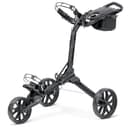
This is the specification that matters most and the one buyers think about least. A cart that needs four steps and two hands to open is a cart you will stop bringing by mid-season. The Bag Boy Nitron sits at the top of this page largely because its gas strut does the opening for you: release the latch and it sets itself up.
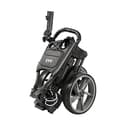
The related question is folded size. If your trunk already contains a golf bag, the cart has to fit alongside it. The KVV is here specifically because it folds smaller than the rest.
2. Three wheels or four
A real trade, not a marketing distinction.
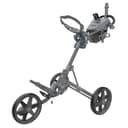
Three wheels pivot around a green far more easily, weigh less, and are the choice of most golfers who walk regularly. The single front wheel steers, which means the cart follows you rather than needing to be aimed.
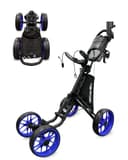
Four wheels are steadier across a side slope and will not tip when you let go on a hill. If your home course is genuinely hilly, or if you have any balance concerns, four is the safer choice. It turns less sharply and that is the price.
3. Frame rigidity
A flexible frame lets the bag rock as you push, and that constant movement is what eventually loosens the joints on a cheap cart. This is the difference you pay for at the Clicgear end of the market, and it is the reason those carts are still rolling a decade later while budget carts are not.
4. The accessories you actually use
An umbrella holder and a scorecard console are genuinely useful. A cooler basket is useful if you drink more than one bottle. A phone cradle is useful and also usually the first thing to break. Most of the rest is packaging.
Push cart, pull cart, or electric?
Three categories, and the names are used loosely.
A push cart is what everything on this page is: three or four wheels, and you push it in front of you. Pushing is easier on your back than pulling and lets you see where you are going.
A pull cart is the older two-wheel design you drag behind you. They are cheaper and fold smaller, and they are harder work on any slope. There is very little reason to choose one now unless space is the binding constraint.
An electric cartor caddy drives itself, usually with a remote. They are excellent and they cost several times what the most expensive cart here costs. That is a purchase for someone who has walked with a push cart for years and knows exactly what they want — not a first cart.
Will your bag fit?
Almost certainly, but check two things. Cart bags and stand bags both sit on push carts fine; the difference is where the strap channel and the base sit. Our stand bag versus cart bag guide covers which type suits how you play.
The two things to check are the bag base — a very wide-based staff bag can overhang a compact cart — and the top strap position, which should clamp above the bag’s widest point rather than over a pocket you need to open. If you are still choosing a bag, our bags roundup is the place to start.
Are push carts allowed?
Yes, essentially everywhere, and the Rules of Golf place no restriction on them. The exceptions are local and practical rather than regulatory: some courses restrict carts of any kind after heavy rain, and a small number of very traditional clubs prefer caddies or carrying. If in doubt, the pro shop will tell you in one sentence.
One etiquette point worth knowing: keep the cart off the green and off the fringe, and park it on the side of the green nearest the next tee. That single habit does more for pace of play than anything else. Our etiquette guide covers the rest.
How much cart do you actually need?
Honestly? Less than the internet will tell you.
If you play a handful of rounds a year, the budget cart on this page does the same job as the premium one for a third of the money. It will not last a decade, but you are not asking it to.
If you walk weekly, buy at the middle or top of this page. The difference is not performance on the day, it is whether the cart still works in three years and whether opening it annoys you every time. Both of those turn out to matter more than the price gap.
And if you are still deciding whether you enjoy walking with a cart at all, buy the cheapest one here, use it for a season, and upgrade if you find yourself reaching for it. That is a much better plan than researching for three weeks.
What else makes walking eighteen easier
Shoes first. Four and a half hours on your feet on uneven ground is what decides whether you enjoy a walking round, and golf shoes with real cushioning cost less than a cart. Our golf shoes roundup covers the comfortable end.
Then a bag that suits carting rather than carrying. A cart bag has a strap channel and better dividers and is more pleasant to work out of when it is standing on a cart — see our cart bags page. And if you fly with your clubs, our travel bags page covers getting them there in one piece.
Two things to settle once the cart is chosen. Whether your current bag actually works on one - best golf bag for a push cart has the strap test to run before you buy anything - and whether you should be walking at all on a given day, which walking vs riding golf weighs on cost, pace and time.
Still deciding between the two geometries rather than between models? 3-wheel vs 4-wheel push cart takes the trade apart properly - why three pivots and packs smaller, why four stays put on a slope, and which one your course argues for.