Tee & Tempo

The Best Golf Drivers for Beginners

The driver is the hardest club to hit and the easiest to buy wrong. Here are the most forgiving, slice-fighting drivers for a new golfer — and when to skip it.

By Stephen V.Last updated How we pick

The driver is the club beginners most want to hit well and most often hit badly. It is the longest club in the bag, the hardest to control, and the one that produces that soul-destroying slice that curves into the trees. The good news is that the right driver quietly fixes a lot of that for you — a big, forgiving head and an anti-slice design do more for a new golfer than any amount of gritted teeth on the range.

We read the published specs and cross-checked the independent reviews — we own no test lab and have not measured these on a launch monitor — then ranked them on the traits that actually help a beginner: forgiveness on off-center hits, help getting the ball up, and a design that fights the slice rather than feeding it. One honest note before you spend, though: plenty of beginners score better by leaving the driver in the bag and hitting a hybrid off the tee until their swing settles. If that sounds like you, read driver vs hybrid below before you buy. If you want the short answer, the Wilson Launch Padis the safe default — light, forgiving and built to straighten a slice.

How this is funded:we earn a commission if you buy through our links, at no extra cost to you. It never changes which product we recommend, and we’ll tell you when we’d skip one. Full disclosure.

Quick picks

Ranked on forgiveness, how complete the pick is, and value for a beginner. Select a row to jump to the full write-up. We have not hit these clubs on a launch monitor — here is exactly what we do instead.

#ProductBest forPrice
1
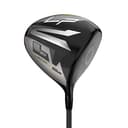
Wilson Launch Pad 2 Driver

Wilson Launch Pad 2 Driver

Built for exactly one job: helping a beginner get the ball airborne and stop slicing it. The Launch Pad is offset and light, which is unglamorous and genuinely useful when you are new.

Best overall
$296.56 · View on Amazon

Price as of July 23, 2026. #ad How we’re funded

2
Cleveland Launcher XL 2 Driver

Cleveland Launcher XL 2 Driver

A big, stable, forgiving head from a respected brand — the pick if you want something a step above a package-set driver without paying flagship-tour prices.

Most forgiving
$299.99 · View on Amazon

Price as of July 23, 2026. #ad How we’re funded

3
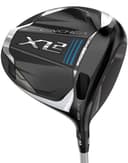
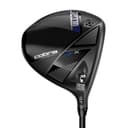
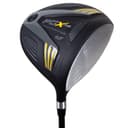
Cobra OPTM X Driver

Cobra OPTM X Driver

The 'buy once' option. This is a current-generation Cobra driver at a real-golf-shop price — overkill for a raw beginner, but the driver you would grow into rather than out of.

Premium step-up
$599.00 · View on Amazon

Price as of July 23, 2026. #ad How we’re funded

4
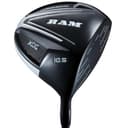
Ram Golf FX 460cc Titanium Driver

Ram Golf FX 460cc Titanium Driver

A no-frills, maximum-size titanium driver at a price that barely registers. It will not out-perform a Cleveland or Cobra, but it gets the ball in the air and costs about what a sleeve of premium balls does.

Best budget
$99.99 · View on Amazon

Price as of July 23, 2026. #ad How we’re funded

5
Pinemeadow PGX Offset Driver

Pinemeadow PGX Offset Driver

The budget anti-slice driver. Like the Wilson Launch Pad, it is offset to fight a slice, but it costs a fraction of the price — the value pick if a slice is your problem and money is tight.

Best budget anti-slice
$99.95 · View on Amazon

Price as of July 23, 2026. #ad How we’re funded

The picks in full

#1Best overall

Wilson Launch Pad 2 Driver

Built for exactly one job: helping a beginner get the ball airborne and stop slicing it. The Launch Pad is offset and light, which is unglamorous and genuinely useful when you are new.

Strengths

  • Offset hosel is designed to reduce a slice — the beginner's most common miss
  • Lightweight build helps a slower swing generate speed
  • Higher-launching by design, so the ball gets up without a perfect strike

Trade-offs

  • The anti-slice bias can feel like too much once your swing straightens out
  • Not a driver you keep after you break 100 consistently
What it isOffset, lightweight anti-slice driver
In the boxNot published
HandednessRight & Left
Shaft / flexRegular, and lighter senior/ladies options
Best forSlicers, Slower swing speeds

Beginner note. Offset means the face sits slightly behind the hosel, giving your hands a fraction more time to square it — a legitimate, Rules-conforming way to fight a slice.

Specs read from the product listing, on July 23, 2026. “Not published” means the listing does not state it.

#2Most forgiving

Cleveland Launcher XL 2 Driver

A big, stable, forgiving head from a respected brand — the pick if you want something a step above a package-set driver without paying flagship-tour prices.

Strengths

  • Large, high-MOI head that stays stable on mishits
  • Comes in a standard 10.5° loft with regular flex — a sensible beginner spec
  • Cleveland is a serious golf name, so it holds value better than no-name drivers

Trade-offs

  • Pricier than a budget titanium driver for a first club
  • Fewer built-in anti-slice aids than the Launch Pad
What it is460cc high-MOI 10.5° driver
In the boxNot published
HandednessRight
Shaft / flexRegular
Best forBeginners wanting a keeper, Faster learners

Beginner note. 'High MOI' means the head resists twisting on off-center hits, so a slightly toe- or heel-struck drive still flies reasonably straight — the single most useful trait in a beginner driver.

Specs read from the product listing, on July 23, 2026. “Not published” means the listing does not state it.

#3Premium step-up

Cobra OPTM X Driver

The 'buy once' option. This is a current-generation Cobra driver at a real-golf-shop price — overkill for a raw beginner, but the driver you would grow into rather than out of.

Strengths

  • Current-model performance and adjustability from a top-tier brand
  • A 10.5° regular-flex build is a solid all-round beginner spec
  • You are unlikely to outgrow it the way you outgrow a set driver

Trade-offs

  • By far the most expensive driver here — a stretch for a first club
  • Adjustability is wasted on a swing that is still settling
What it isAdjustable 10.5° driver, premium tier
In the boxNot published
HandednessRight
Shaft / flexRegular
Best forBeginners with budget to spare, Buyers who hate upgrading

Beginner note. Adjustable weighting and loft let a driver 'grow' with you, but they matter far more once your swing is repeatable — for now, the forgiveness is what counts.

Specs read from the product listing, on July 23, 2026. “Not published” means the listing does not state it.

#4Best budget

Ram Golf FX 460cc Titanium Driver

A no-frills, maximum-size titanium driver at a price that barely registers. It will not out-perform a Cleveland or Cobra, but it gets the ball in the air and costs about what a sleeve of premium balls does.

Strengths

  • Full 460cc titanium head — the maximum forgiving size the Rules allow
  • 10.5° loft in a regular flex, a beginner-friendly spec
  • Cheap enough to be a throwaway experiment

Trade-offs

  • Off-brand feel and sound; limited resale value
  • You will feel the ceiling once your swing improves
What it is460cc titanium 10.5° driver
In the boxNot published
HandednessRight
Shaft / flexRegular
Best forTightest budgets, Occasional players

Beginner note. 460cc is the legal maximum head size; nearly every driver aimed at beginners is built to it because a bigger face is more forgiving on mishits.

Specs read from the product listing, on July 23, 2026. “Not published” means the listing does not state it.

#5Best budget anti-slice

Pinemeadow PGX Offset Driver

The budget anti-slice driver. Like the Wilson Launch Pad, it is offset to fight a slice, but it costs a fraction of the price — the value pick if a slice is your problem and money is tight.

Strengths

  • Offset design targets the beginner's slice at a low price
  • Lightweight and easy to launch
  • Long-running budget favorite with lots of buyer feedback

Trade-offs

  • Off-brand components and finish
  • The offset look is not for everyone
What it isOffset budget anti-slice driver
In the boxNot published
HandednessRight
Shaft / flexRegular/Graphite
Best forBudget slicers, Value hunters

Beginner note. Same offset anti-slice idea as pricier drivers, at a budget price — the trade-off is brand feel and finish, not the core forgiveness feature.

Specs read from the product listing, on July 23, 2026. “Not published” means the listing does not state it.

How to choose a beginner driver

Driver marketing is full of numbers you cannot yet feel the difference in. Ignore most of them and focus on the handful of traits that genuinely help a developing swing.

Forgiveness first: 460cc and high MOI

The single most useful thing a beginner driver can do is stay stable when you miss the middle of the face — which, honestly, will be most of the time at first. A head built to 460cc, the largest size the Rules allow, gives you the biggest possible hitting area. A high-MOI head resists twisting on a heel or toe strike, so a slightly mishit drive still flies reasonably straight instead of darting sideways. Every driver here is built around that idea; the Cleveland Launcher XL leans into it hardest.

Fight the slice: offset and loft

The beginner’s stock miss is a slice — the ball starting left and curving hard right for a right-hander. An offset driver sets the face a fraction behind the hosel, giving your hands a touch more time to square it up, which is a legal, sensible way to take the slice out of play. More loft helps too: a driver of 10.5 degrees or more gets the ball airborne more easily and adds backspin that reduces sideways curve. Pair that with a regular or senior flex shaft if your swing is slow, since a shaft that is too stiff makes it even harder to launch the ball. The Wilson Launch Pad and the budget Pinemeadow PGX are both built offset for exactly this reason.

You might not need a driver yet

Here is the advice most driver roundups skip: a beginner often scores better with a hybrid off the tee. A hybrid is shorter, easier to control and far more forgiving than a driver, so you find more fairways and lose fewer balls while your swing is still settling. There is no rule that you must tee off with a driver, and nobody on the course will blink if you do not. Read driver vs hybrid for beginners for the honest comparison, and how to choose clubs if you want the wider picture before spending on any single club. When you are ready for the driver, buy for forgiveness now and let the adjustable, premium options wait until your swing can use them.

Frequently asked questions

What loft driver should a beginner use?

Lean toward more loft, not less. A driver of 10.5 degrees or higher gets the ball airborne more easily and adds backspin that reduces sideways curve, so it flatters a developing swing. Lower-lofted drivers look tempting but are harder to launch and punish mishits, which is the opposite of what a beginner needs.

What does 'offset' mean on a driver?

Offset means the face sits slightly behind the hosel, so your hands get a fraction more time to square the clubface at impact. That helps counter a slice, which is the most common beginner miss. It is a legal, Rules-conforming design, and the anti-slice bias can feel like too much once your swing straightens out.

Should a beginner use a driver or a hybrid off the tee?

Many beginners score better with a hybrid off the tee at first. A hybrid is shorter, easier to control and more forgiving than a driver, so you find more fairways while your swing settles. There is no rule that says you must use a driver, so start with whichever gets the ball in play and add the driver as your swing improves.

What shaft flex should a beginner choose?

Most beginners are best served by a regular flex, and a slower swing may do better with a senior or ladies flex. A shaft that is too stiff makes the ball harder to launch and can worsen a slice. When in doubt, softer is the safer choice for a developing swing.

Do I need an expensive driver to start?

No. A budget 460cc titanium driver gets the ball airborne for a fraction of the price of a flagship model, and the adjustable features on premium drivers are wasted on a swing that is still settling. Buy for forgiveness now, spend the difference on lessons and range time, and step up only once your swing is repeatable.

Sources

Keep reading