Golf Clubs by Type
Ready to buy a single club instead of a whole set? The most forgiving beginner drivers, irons, wedges, putters, hybrids, fairway woods and chippers, plus grips and how to decide what you actually need.
Once you have played a while — or if you already have a set and want to upgrade one weak spot — you start buying clubs individually. This is where the jargon gets loud: forgiveness, offset, cavity-back, game-improvement, MOI. The good news is that for a beginner it all points the same way. You want the most forgiving version of every club, the one that helps most when you do not strike it perfectly, which is most of the time when you are learning.
Below are the drivers, irons, wedges, putters, hybrids and fairway woods worth buying as a beginner, each with a live price and a buy link for the top pick. If you are still building your first bag, start with our complete sets — individual clubs make more sense once you know your own swing.
Everything in Clubs
Best Golf Drivers for Beginners
The most forgiving, slice-fighting drivers for a new golfer — from budget titanium to a buy-once step-up.
Our top pick
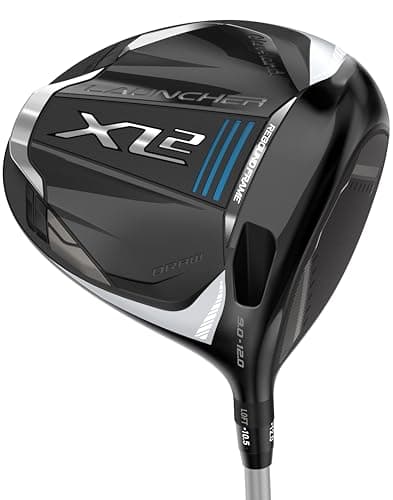
Cleveland Launcher XL 2 Driver
$299.99 · View on AmazonPrice as of October 21, 2026. #ad How we’re funded
Best Golf Irons for Beginners
Game-improvement iron sets that get the ball up and forgive a mishit — the ones worth upgrading to from a package set.
Our top pick
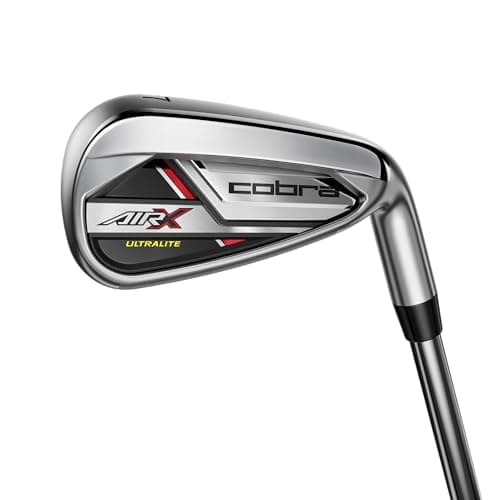
Cobra Air-X 2 Iron Set
$499.99 · View on AmazonPrice as of October 21, 2026. #ad How we’re funded
Best Golf Wedges for Beginners
The wedges that stop the chunked chip — wide soles, forgiving faces, and the loft your package set forgot.
Our top pick
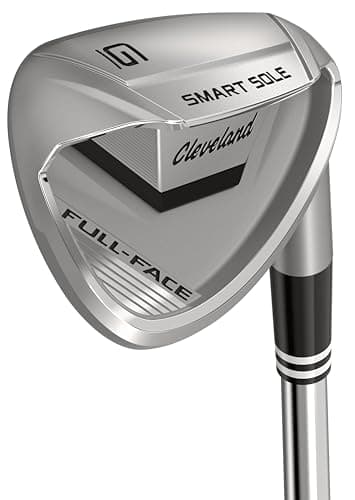
Cleveland Smart Sole Full-Face Wedge (50°)
$145.71 · View on AmazonPrice as of October 21, 2026. #ad How we’re funded
Best Putters for Beginners
Forgiving mallets and honest budget blades for the club you will use more than any other — with length advice that matters more than the badge.
Our top pick
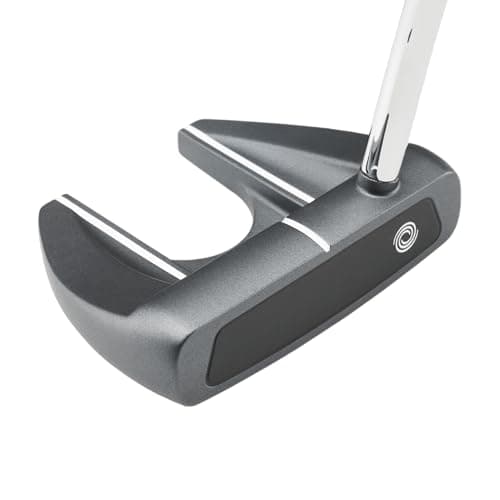
Odyssey DFX Putter (V Line Fang, 35")
$169.99 · View on AmazonPrice as of October 21, 2026. #ad How we’re funded
Best Golf Hybrids for Beginners
The club that replaces the long iron you cannot hit. Which loft to buy, and the five worth your money.
Our top pick
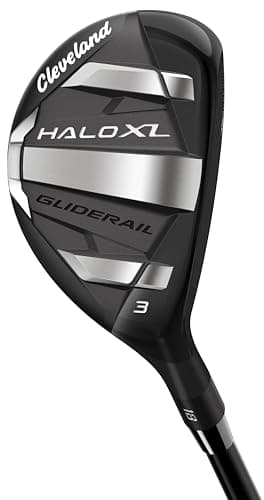
Cleveland Launcher Halo XL Hybrid (21°)
$122.99 · View on AmazonPrice as of October 21, 2026. #ad How we’re funded
Best Fairway Woods for Beginners
Why a 5-wood beats a 3-wood for most beginners, and the fairway woods that actually get airborne off the deck.
Our top pick
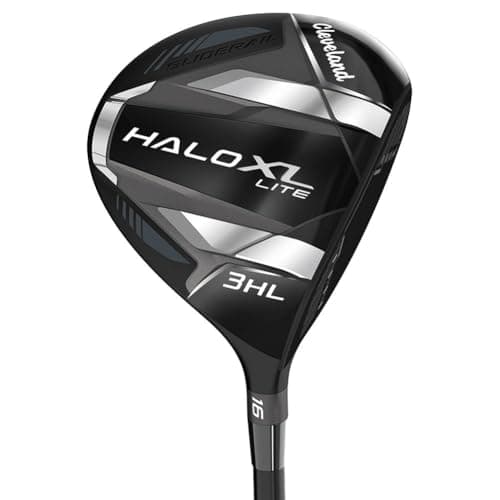
Cleveland Halo XL Lite 3-Wood
$167.77 · View on AmazonPrice as of October 21, 2026. #ad How we’re funded
Best Golf Irons for Mid Handicappers
You break 100 and want to break 90. The iron sets that keep the forgiveness while giving you something to work with.
Our top pick
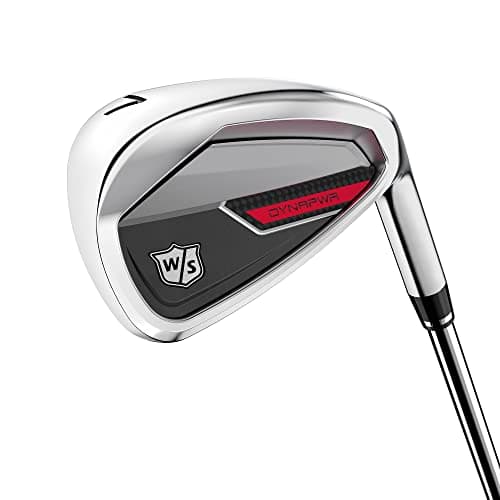
Wilson Dynapower Steel Irons (5-PW, GW)
$589.99 · View on AmazonPrice as of October 21, 2026. #ad How we’re funded
Driver vs Hybrid for Beginners
Should a beginner even carry a driver, or start with a hybrid off the tee? An honest answer.
Game-Improvement vs Players Irons
Cavity-backs or blades? What actually separates them, and why almost every amateur is in the wrong camp.
Best Golf Irons for Seniors
Senior-flex sets and hybrid irons that get the ball airborne again — with an honest view of which upgrades earn their money.
Our top pick
Cleveland Golf Halo XL Full-Face Iron Set (Senior, 5-PW/GW)
Best Golf Drivers for Seniors
Lightweight heads, senior-flex shafts and enough loft to launch — the drivers that give a slowing swing its distance back.
Our top pick
Cleveland Golf HiBore XL Lite Driver (Senior, 10.5°)
$238.35 · View on AmazonPrice as of October 21, 2026. #ad How we’re funded
Best Golf Grips
The only part of the club you touch, and the cheapest genuine upgrade in golf — how to pick size and material.
Our top pick
Golf Pride Tour Velvet Golf Grip (Standard, 13 Pack)
$90.87 · View on AmazonPrice as of October 21, 2026. #ad How we’re funded
Best Golf Chippers for Beginners
The club that turns a duffed chip into a putt you can make — how chippers work, whether they are legal, and five worth buying.
Blade vs Mallet Putters
Two head shapes, one honest answer for most beginners — plus the balance test that tells you which your stroke wants.
Steel vs Graphite Shafts
Weight is the whole argument — but the honest answer changes depending on which club you are asking about.
Best Women's Golf Irons
Graphite sets, hybrid-iron mixes and all-hybrid options — the irons worth upgrading to when a package set stops being enough.
Our top pick
Callaway Big Bertha REVA Iron Set (6-PW, AW, SW)
$599.99 · View on AmazonPrice as of October 21, 2026. #ad How we’re funded
Wilson Launch Pad 2 Driver Review
A driver built to do one unglamorous job — stop a beginner slicing it — and honest about the fact that you will grow out of it.
Cobra Air-X 2 Irons Review
The iron set most beginners should buy when their package-set irons stop being good enough — and who should buy something heavier instead.
Our top pick
Cobra Air-X 2 Iron Set
$499.99 · View on AmazonPrice as of October 21, 2026. #ad How we’re funded
Odyssey DFX Putter Review
A fanged mallet with an oversized grip from the most-played putter brand in golf — and the one specification to check before ordering.
Our top pick
Odyssey DFX Putter (V Line Fang, 35")
$169.99 · View on AmazonPrice as of October 21, 2026. #ad How we’re funded
Hybrid vs Fairway Wood
They cover the same distances and they are not interchangeable. Three specifications separate them, and one decides it for most beginners.
Regular vs Stiff Shaft
The most common self-inflicted equipment mistake in golf is ordering a shaft that is too stiff. How to find yours without a launch monitor.
Cleveland Smart Sole Full-Face Review
Our top pick in the beginner wedges roundup — a sole built to skid instead of dig, the one lie it hates, and why 50 degrees is the loft to buy first.
Our top pick
Cleveland Smart Sole Full-Face Wedge (50°)
$145.71 · View on AmazonPrice as of October 21, 2026. #ad How we’re funded
The Easiest Golf Clubs to Hit
Five clubs, one per type, chosen for how much help they give on the strikes a new swing actually produces — plus the four design features that make any club easier to hit.
Our top pick
Cleveland Launcher Halo XL Hybrid (21°)
$122.99 · View on AmazonPrice as of October 21, 2026. #ad How we’re funded
What Size Golf Grip Do I Need?
Standard, midsize or jumbo — how to tell which your hands want, what a worn grip is quietly costing you, and the three grips worth buying.
How Many Wedges Do You Need?
One, for your first season — and here is how to tell when a second earns its slot. Loft gapping in plain English, plus the wedges to add in order.
What Loft Driver Should a Beginner Use?
More than you think: 10.5 degrees is the floor and 12 is often better. Why loft adds distance rather than costing it for a slower swing, and the three drivers that give it to you.
What Size Golf Clubs Do I Need?
The wrist-to-floor measurement that beats height, what petite and tall builds change, and how to read your own strike for a length problem.
Best Golf Clubs for a Slice
Offset drivers, anti-slice irons and the straightest-flying ball — the clubs that lean hardest against the beginner's most common miss, and the honest limit of what they fix.
Our top pick
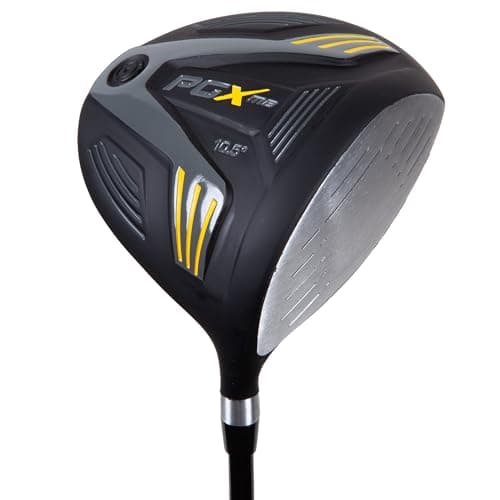
Pinemeadow PGX Offset Driver
$99.95 · View on AmazonPrice as of October 21, 2026. #ad How we’re funded
Golf Pride Tour Velvet vs Winn Dri-Tac
Firm rubber or soft polymer, head to head: durability and feel against hand comfort and tack — plus the cord grip that beats both in the rain.
Our top pick
Golf Pride Tour Velvet Golf Grip (Standard, 13 Pack)
$90.87 · View on AmazonPrice as of October 21, 2026. #ad How we’re funded
How to Regrip Golf Clubs
An hour at a kitchen table and thirteen clubs that feel new. The eight steps, the no-vise and no-solvent methods, and the two mistakes that ruin a grip.
How to Clean Golf Clubs
Warm soapy water, a soft brush and five minutes — for irons, grips, rust and the bag, plus the one tool to keep away from your grooves.
Golf Wedge Degrees Explained
Pitching, gap, sand and lob lofts in plain English, with a chart built from the degrees real wedges publish — and the 30-yard hole most sets leave.
Cleveland Launcher XL 2 Driver Review
460cc, 45.5 inches, three lofts and a draw head - the published spec table for our top beginner driver, and the honest catch of buying a superseded model.
Our top pick
Cleveland Launcher XL 2 Driver
$299.99 · View on AmazonPrice as of October 21, 2026. #ad How we’re funded


Choosing beginner clubs without the jargon
Three ideas cover almost everything a beginner needs to understand about club choice. Get these and you can ignore most of the marketing.
Forgiveness is the whole game
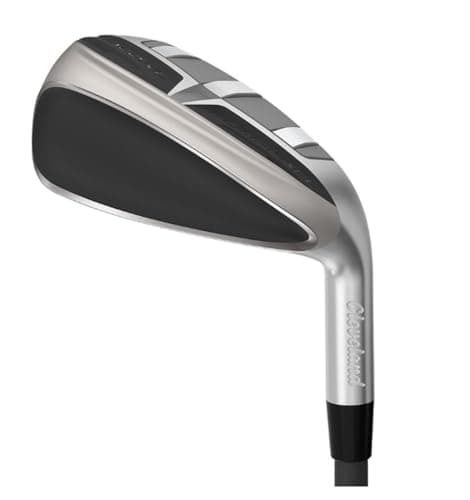
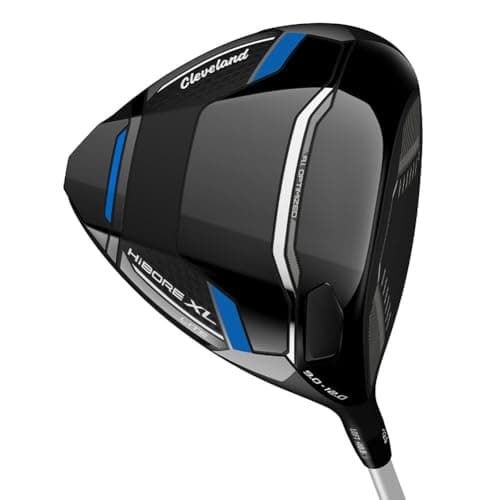
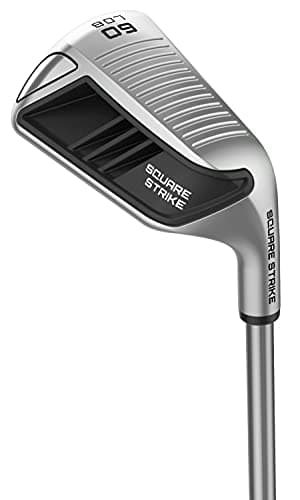
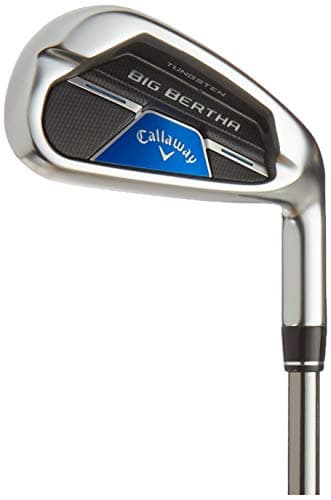
“Forgiveness” means how well a club performs when you miss the middle of the face. Beginner clubs are built to be very forgiving: oversized driver heads, wide-soled “cavity-back” irons with the weight pushed to the edges, and often an offsetdesign that helps square the face and fight a slice. Better players use smaller, less forgiving “blades” for control; you want the opposite of that for now.
Match the shaft flex, roughly, to your swing
Shafts come in flexes — senior/ladies, regular, stiff — and the rough rule is that a slower swing wants a softer flex to help launch the ball. Most beginners are well served by regular flex; only pick stiff if you already swing fast. Graphite shafts are lighter than steel and suit slower tempos, which is why so many beginner clubs use them.
The driver can wait
The driver is the hardest club in the bag to hit, and plenty of beginners score better teeing off with a hybrid or fairway wood until their swing settles. There is no shame in leaving the driver in the bag for a while — we walk through that choice in our driver-versus-hybrid guide.
Frequently asked questions
Should a beginner buy individual clubs or a full set?
Start with a complete set. It is cheaper and covers everything. Buy individual clubs once you know your swing well enough to choose them — or to upgrade a single weak spot in a set you already own.
What driver loft should a beginner use?
Higher is easier. A loft of 10.5 degrees or more helps get the ball airborne, and many beginner drivers add offset to fight a slice. Lower-lofted, stiffer drivers are for faster, more consistent swings.
What are game-improvement irons?
They are irons designed for maximum forgiveness — cavity-back heads, wide soles and often a little offset — so mishits still fly reasonably well. They are exactly what a beginner or high-handicapper should be playing.