How to Clean Golf Clubs
Warm water, washing-up liquid and a soft brush will do almost all of it. Here is the order to do it in, the parts people get wrong, and the point at which a clean grip is beyond saving.
How this is funded: we earn a commission if you buy through our links, at no extra cost to you. It never changes which product we recommend, and we’ll tell you when we’d skip one. Full disclosure.
Clean clubs are mostly about the irons. Grooves exist to move grass and water out of the way at impact, and a face packed with dried mud does not do that — so the one cleaning job with a measurable effect on your golf is a brush along the grooves of the club you are about to hit. Everything else on this page is maintenance that makes your clubs last longer and feel better.
The whole kit is a bucket, warm water, washing-up liquid, a soft brush and two towels. You do not need a specialist cleaner, and the two things most likely to damage a club — hot water and a wire brush — are both things people reach for thinking they are helping.
The five-minute method
Warm soapy water, heads only. Stand the irons in a bucket with the water covering the heads and nothing above them. Warm rather than hot: heat can soften the epoxy that holds a head on a shaft, and nothing is gained. Five to ten minutes does the work for you.
Brush along the grooves, then across the face. A soft nylon brush or an old toothbrush is right. For anything compacted into a groove, a wooden tee digs it out without ever touching metal.
Rinse, then dry immediately. This is the step people skip and it is the one that matters most, because water sitting on an unplated head is exactly how rust starts.
Woods and the putter get a cloth, not a bath. Painted crowns, carbon crowns and putter face inserts should not sit in water. Damp cloth, then dry cloth.
Grips: the part that affects your golf
Most grips do not fail, they get coated. Hand oil, sunscreen, bag dust and sweat build a film that is slick in a way that feels exactly like a worn grip, and it washes off. Warm soapy water, a soft brush worked around the whole circumference, a rinse and a towel. Let them dry fully before the clubs go back in the bag.
That restores more tack than most people expect, and it is worth doing before you conclude your grips are finished. The honest limit: if, after a proper wash, the surface is still shiny and feels hard, the compound has aged out. Rubber and polymer harden with age and sunlight whether you play or not, which is why a set of grips older than about two seasons is worth replacing regardless of how it looks. At that point you are not cleaning, you are putting off a re-grip.
The test is simple. Hold a club with dry hands and try to twist the grip. Then wet your hands slightly and try again. If it moves when damp, it will move in the middle of your downswing on a dewy morning, and you will squeeze the club to stop it — which is how worn grips cost you swing speed without ever announcing themselves.
When cleaning is not enough
These are the three grip options we would actually buy, taken from our grip roundup. Two are 13-grip bundles, which is a full bag in one purchase, and the re-gripping guide covers fitting them yourself. Prices are live and carry the date they were checked.
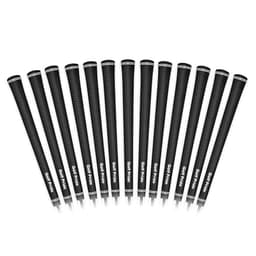
Golf Pride Tour Velvet Golf Grip (Standard, 13 Pack)
The default grip in golf, sold as a full bag's worth. If you own a package set with worn factory grips, this single purchase does more for your golf than any club you could buy for the same money.
- What it is
- Standard-size rubber grip, 13-grip bundle
- Who it’s for
- Anyone whose washed grips still feel hard and shiny - the neutral full-bag replacement.
Price as of October 16, 2026. #ad How we’re funded
Specs read from the product listing, on August 11, 2026.
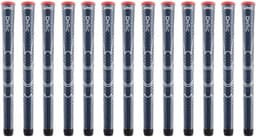
Winn Dri-Tac Standard 13-Piece Grip Bundle
The soft, tacky, shock-absorbing option, and the one to buy if your hands hurt. Winn's polymer is noticeably softer than rubber, which takes the sting out of a thin strike on a cold morning.
- What it is
- Soft polymer grip, standard size, 13-grip bundle
- Who it’s for
- Golfers who grip too tightly, play cold mornings, or have hands that ache after a round.
Price as of October 16, 2026. #ad How we’re funded
Specs read from the product listing, on August 11, 2026.
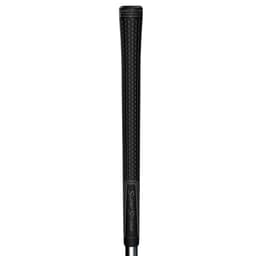
SuperStroke Crossline 2.0 Golf Club Grip (Midsize)
The cheapest honest grip on the page. If the choice is between thirteen worn factory grips and thirteen of these, buy these — a basic new grip beats a good old one every time.
- What it is
- Firm rubber grip, midsize, single grip
- Who it’s for
- The tightest budget, bought one grip at a time rather than thirteen at once.
Price as of October 16, 2026. #ad How we’re funded
Specs read from the product listing, on August 11, 2026.
| Pick | What it is | Who it’s for |
|---|---|---|
| Golf Pride Tour Velvet Golf Grip (Standard, 13 Pack) | Standard-size rubber grip, 13-grip bundle | Anyone whose washed grips still feel hard and shiny - the neutral full-bag replacement. |
| Winn Dri-Tac Standard 13-Piece Grip Bundle | Soft polymer grip, standard size, 13-grip bundle | Golfers who grip too tightly, play cold mornings, or have hands that ache after a round. |
| SuperStroke Crossline 2.0 Golf Club Grip (Midsize) | Firm rubber grip, midsize, single grip | The tightest budget, bought one grip at a time rather than thirteen at once. |
Rust, and what not to do about it
Light surface rust on a steel head is cosmetic and usually comes off with warm soapy water, a soft brush and some patience. A paste of baking soda and water, worked gently with a cloth, handles what the brush will not. Dry it properly afterwards and keep it dry.
What to avoid: wire brushes, steel wool, abrasive powders, acidic household cleaners and groove sharpeners. They take the finish off, they scratch the face, and on a wedge they can alter the grooves themselves. That last point has a Rules dimension — groove specifications are regulated under the equipment Rules, and Rule 4.1a prohibits deliberately changing a club’s playing characteristics. A sharpened groove is not a cleaning technique, it is a modification, and it can put a club outside the Rules for the competitions you might one day enter.
Deep pitting does not come out. If a wedge has been sitting in a damp garage for five years, clean it, accept the appearance and judge it on how it plays.
The habit that makes all of this unnecessary
Two towels in the bag, one damp and one dry. Wipe the face after every full shot with an iron or a wedge, and the grooves never get to the state where they need a bucket. Add a brush on a retractable clip and you have the entire system most low-handicappers use — our bag checklist covers where it goes and what else belongs in there.
Then clean properly twice a season: once mid-summer and once before the clubs go into storage. A set that goes into a garage wet in November comes out rusted in March, and the five minutes it takes to dry them is the cheapest club care there is. If your clubs travel, a travel coverprotects them from the knocks a clean never will — and if you are inspecting a used set to buy, our used-versus-new guide lists what a good clean can hide and what it cannot.
Frequently asked questions
How do you clean golf clubs at home?
Stand the iron heads in a bucket of warm soapy water for five to ten minutes, with the water covering the heads and nothing above them. Brush along each groove with a soft brush, rinse, then dry immediately. Woods and putters get a damp cloth rather than a soak, and grips are washed separately with soapy water and towelled dry.
Should you use hot water to clean golf clubs?
No - use warm water. Hot water can soften the epoxy holding the head to the shaft, and it adds nothing a soft brush and a few minutes of soaking will not do. The same caution applies to dishwashers, which combine heat with aggressive detergent and are a genuinely bad idea for golf clubs.
How do you clean golf grips so they are tacky again?
Warm water with a little washing-up liquid, a soft brush or a cloth worked around the whole grip, then rinse and towel dry. Most of what makes a grip feel slick is a film of hand oil, sunscreen and dust, and washing it off restores a surprising amount of tack. If the surface is shiny and hard after cleaning, the rubber has aged out and no amount of scrubbing will bring it back.
How do you get rust off golf clubs?
Light surface rust on steel heads usually comes off with warm soapy water, a soft brush and patience, or a paste of baking soda and water worked gently with a cloth. Avoid wire brushes, steel wool, abrasive powders and acid cleaners: they take off the finish, and on a wedge they can alter the grooves. Deep pitting is permanent, and prevention - drying the heads before they go back in the bag - is the whole answer.
Can you use a wire brush on golf clubs?
Not on the face. A brass or steel brush on grooves scratches the face and can change groove dimensions, and groove specifications are regulated under the equipment Rules - Rule 4.1a also prohibits deliberately changing a club's playing characteristics. Use a soft nylon brush, an old toothbrush, or a wooden tee for compacted dirt, and keep groove sharpeners away from any club you play in competition.
How often should you clean your golf clubs?
Wipe the face of every club you hit during the round - that is the one that affects your golf, because mud and grass in the grooves change spin and launch. A proper soak and grip wash is worth doing every few rounds, and once at the end of the season before the clubs sit in a garage for months.
How do you clean a golf bag?
Empty it completely, shake out the debris, then wipe the fabric with warm soapy water and a cloth, working the pockets inside out. Leave it open to dry fully before you reload it. Do not put a golf bag in a washing machine - it will wreck the structure and the stand mechanism.
Does cleaning your clubs actually help your golf?
On the irons and wedges, yes. Grooves channel grass and water away from the strike, and a face packed with dried mud launches the ball differently from a clean one. On the driver and putter the gain is mostly cosmetic. The real performance item on this page is the grips.
Sources
- R&A -- Rule 4: The Player's Equipment — Rule 4.1a(2) on adjustable clubs: a player 'must not make a stroke with a club when they have deliberately changed that club's playing characteristics during the round ... by using an adjustable feature or physically changing the club', with an exception where the club is restored to its original setting before being used; the penalty for making a stroke in breach of Rule 4.1a is disqualification. Rule 4.1b(1) sets the limit: a player must not start a round with more than 14 clubs or have more than 14 clubs during the round (accessed October 6, 2026)
- USGA — Rules Hub: Clubs — USGA overview of the 14-club limit and the freedom to carry any conforming club types (accessed July 23, 2026)
Keep reading
How to Regrip Golf Clubs
When washing is not enough: the step-by-step for replacing all thirteen yourself.
Read the guideBest Golf Grips
The five grips worth buying, from the full-bag default to the softest polymer.
See the gripsWhat to Put in a Golf Bag
A towel and a brush are two of the eleven things that belong in there. The rest of the list.
Read the guideUsed vs New Golf Clubs
What to inspect on a second-hand set, and what a good clean can and cannot hide.
Read the comparisonWhen to Upgrade Your Golf Clubs
Worn grips and tired grooves are repairs. Here is where the line is.
Read the guideBest Golf Travel Bags
If your clubs live in a car or a hold, protection beats cleaning them afterwards.
See the bags