How to Hit Out of a Bunker
The one shot in golf where you deliberately miss the ball. Here is the standard greenside bunker shot, what to change when the sand is hard or barely there, and what the Rules allow you to touch.
How this is funded: we earn a commission if you buy through our links, at no extra cost to you. It never changes which product we recommend, and we’ll tell you when we’d skip one. Full disclosure.
The bunker shot is the one place in golf where the instruction sounds like a joke: do not hit the ball. Hit the sand two inches behind it, and let the sand lift the ball out. Once that idea lands, bunkers stop being terrifying — and it is genuinely the only technical change required, because everything else is setup.
The second thing to know is that bunker shots need a much bigger swing than the distance suggests. Sand absorbs most of the clubhead’s speed, so a twelve-yard bunker shot takes something closer to a forty-yard swing. Nearly every ball that stays in a bunker stayed there because the golfer decelerated, afraid of hitting it too far.
The standard greenside shot, in five moves
Most lofted wedge, feet dug in.Shuffling your feet into the sand gives you a stable base, tells you how deep and firm the sand is, and lowers your whole body slightly — which helps you enter behind the ball instead of catching it clean. The Rules allow this explicitly.
Face slightly open, stance a little wider.Opening the face presents the sole of the wedge to the sand, and the sole is what makes the club skid rather than dig — which is why an extra-wide sole is such an advantage here, as our Smart Sole review explains. A wide base keeps you still while you make a big swing in unstable footing.
Ball forward, entry point chosen. Put the ball forward of centre, toward your lead heel, and then do the thing that matters most: look at a spot in the sand about two inches behind the ball and make that spot your target. If you look at the ball, you will hit the ball, and a ball struck cleanly from a bunker with an open sand wedge goes over the green.
Swing long and accelerate. Think of splashing a divot of sand onto the green with the ball riding on top of it. The ball never touches the clubface on a good bunker shot.
Finish high. A full follow-through is the simplest insurance against deceleration. If you can hold a finish, you accelerated.
When the sand is not normal sand
Hard or wet sand.A wide, high-bounce sole bounces off firm sand instead of cutting in, so move the entry point closer to the ball — about an inch — and square the face up. Expect a lower shot that runs on landing, and plan a landing spot short of the flag rather than at it.
Little or no sand.Now it is a tight-lie shot, not a splash. Square the face, play it like a long chip, and strike the ball first. This is the one bunker where a lower-lofted wedge or even a chipper is easier than a sand wedge — see our chipper roundup if you meet this lie often.
Buried, or a plugged lie. Square or slightly closed face, enter steeply very close behind the ball, and accept that the ball will come out low with no spin and plenty of roll. Getting it out is the whole objective.
A fairway bunker, which is a different shot entirely. Here you want the ball first and almost no sand. Grip down, stand slightly taller, ball centre or just back of centre, quiet legs, smooth swing, and take one more club than the yardage because you cannot drive off unstable footing. The sensible play is almost always the one that guarantees you are out.
What the Rules let you touch
This is where new golfers get penalties they never saw coming, so here it is in the Rule’s own terms. Rule 12 exists because bunkers are “specially prepared areas intended to test the player’s ability to play a ball from the sand”, with restrictions on touching the sand before the stroke.
Not allowedunder Rule 12.2b(1): deliberately touching the sand with a hand, club, rake or other object to test its condition; and touching the sand with a club in the area right in front of or right behind the ball, in a practice swing, or in your backswing. In short — no grounding the club behind the ball, and no practice swings in the bunker.
Allowedunder Rule 12.2b(2): digging in with your feet to take your stance, smoothing the bunker to care for the course, placing clubs or equipment in the bunker, taking actions under a Rule such as measuring or marking, leaning on a club to rest or stay balanced, and — the Rule says this in as many words — striking the sand in frustration or anger. The limit on all of it is that none of it may improve the conditions affecting your stroke.
You may also remove loose impediments and movable obstructions before playing, under Rule 12.2a, including the reasonable touching of sand that happens while you do it. And if your ball sits on grass or soil inside the bunker’s edge without touching sand, Rule 12.1 says it is not in the bunker at all — play it as a normal shot. More of the rules you will actually meet are in our beginner Rules guide, and raking properly afterwards is covered in first-round etiquette.
The wedges that make this shot easier
Three wedges from our wedge roundup, chosen for sand specifically. Every loft is read from the product’s own listing, and prices are live with the date they were checked.
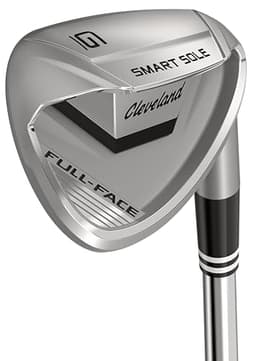
Cleveland Smart Sole Full-Face Wedge (50°)
The wedge built for people who chunk and thin wedges, which is every beginner. The extra-wide sole is designed to skid along the turf instead of digging in, so a slightly fat strike still gets the ball out. If you buy one wedge to stop the short-game disasters, buy a Smart Sole.
- What it is
- 50-degree wedge, extra-wide Smart Sole base
- Who it’s for
- Golfers who chunk and thin - the widest sole here skids through sand instead of digging.
Price as of October 16, 2026. #ad How we’re funded
Specs read from the product listing, on August 28, 2026.

Wilson Harmonized Golf Wedge (56°)
The sensible first sand wedge. It is a brand-name club at an off-brand price, it comes in the lofts a beginner actually needs, and it does the job of getting out of a bunker without asking you to make a tour swing. Buy it, learn on it, replace it in three years if you still care.
- What it is
- 56-degree sand wedge, steel shaft
- Who it’s for
- The standard sand loft at a budget price - the club most package sets leave out.
Price as of October 16, 2026. #ad How we’re funded
Specs read from the product listing, on August 11, 2026.
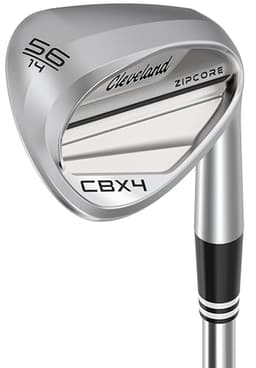
Cleveland CBX4 ZipCore Wedge (58°)
The step-up wedge for a golfer who has stopped topping it. The CBX line is Cleveland's cavity-back wedge — a real tour-brand short game with game-improvement forgiveness built in, which is a genuinely unusual combination. Buy this when your ball-striking has caught up with your ambition.
- What it is
- 58-degree cavity-back wedge, graphite shaft
- Who it’s for
- Once you strike it cleanly and want more height and stopping power from sand.
Price as of October 16, 2026. #ad How we’re funded
Specs read from the product listing, on August 11, 2026.
| Pick | What it is | Who it’s for |
|---|---|---|
| Cleveland Smart Sole Full-Face Wedge (50°) | 50-degree wedge, extra-wide Smart Sole base | Golfers who chunk and thin - the widest sole here skids through sand instead of digging. |
| Wilson Harmonized Golf Wedge (56°) | 56-degree sand wedge, steel shaft | The standard sand loft at a budget price - the club most package sets leave out. |
| Cleveland CBX4 ZipCore Wedge (58°) | 58-degree cavity-back wedge, graphite shaft | Once you strike it cleanly and want more height and stopping power from sand. |
How to practise it without a bunker
Most practice grounds have a bunker and almost nobody uses it. If yours does, the single best drill is to draw a line in the sand with a club, then make twenty swings entering on that line with no ball at all. Learning to control where the club enters the sand is the entire skill; adding a ball afterwards changes nothing except your nerves.
Without a bunker, you can still groove the feel: swing a wedge through long grass and watch where it enters. It teaches the same thing — a shallow, accelerating strike through something resistant, with a full finish. Our range guide covers how to structure a session so the short game gets time, and how to break 100 explains why bunker disasters cost more strokes than any tee shot you will hit.
Friendly guidance, not coaching. Tee & Tempo is written by a golf enthusiast, not a teaching pro. Our picks come from published specs and honest buyer-fit reasoning — we compare the numbers so you don’t have to, but we haven’t hit every club ourselves. When in doubt, hitting a few at a shop or a lesson beats any article.
Frequently asked questions
How do you hit out of a bunker as a beginner?
Aim to hit the sand about two inches behind the ball rather than the ball itself, with your most lofted wedge, the face slightly open, the ball forward in a wide stance, and your feet dug in. Then swing much bigger than the distance suggests and follow through - the sand soaks up the speed, and the sand is what lifts the ball out.
How far behind the ball should you hit in a bunker?
About two inches for a normal greenside shot in reasonable sand. Less in hard or shallow sand, because there is not enough underneath to carry the ball; more only if the ball is sitting down in soft sand. Draw a line in a practice bunker and rehearse hitting it - picking the entry point is the skill.
How do you hit out of a bunker with hard sand?
Move your entry point closer to the ball - an inch rather than two - and use a less lofted wedge with a narrower sole if you have one, because a wide, high-bounce sole bounces off firm sand instead of cutting into it. Keep the face squarer. The ball will come out lower and run more, so plan for that rather than fighting it.
What do you do when there is no sand in the bunker?
Treat it like a tight lie off hard ground: square the face, move the entry point almost to the ball, and pick the ball cleanly with a putting-like strike rather than splashing sand. A chipper or a lower-lofted wedge is often easier than a sand wedge here, because the sand wedge's bounce makes it skip off firm ground.
How do you hit out of a fairway bunker?
Completely differently. The aim here is to hit the ball first and barely touch the sand: grip down, stand slightly taller, play the ball centre to slightly back, swing smoothly and take one more club than the yardage needs because you cannot use your legs freely. Getting out and advancing the ball is the win - a fairway bunker is not the place for a hero shot.
Can you touch the sand in a bunker before you hit?
Not in the ways that matter. Under Rule 12.2b(1) you must not deliberately touch the sand with a hand, club, rake or other object to test its condition, and you must not touch sand with a club right in front of or behind the ball, in a practice swing, or in your backswing. You may dig your feet in to take your stance, smooth the bunker to care for the course, lean on a club to stay balanced, and even strike the sand in frustration - as long as none of it improves the conditions for your stroke.
Can you remove a leaf or a stone from a bunker?
Yes. Rule 12.2a allows you to remove loose impediments and movable obstructions before playing, and it expressly covers any reasonable touching or movement of the sand that happens while you do it. That is a change many longer-standing golfers still get wrong.
Is your ball in the bunker if it is on the grass edge?
No. Rule 12.1 says a ball lying on soil, grass or other growing or attached natural objects inside the edge of a bunker, without touching any sand, is not in the bunker. That matters, because the sand-touching restrictions do not apply to that shot and you can ground your club normally.
Which wedge is best for bunkers?
A sand wedge around 56 degrees with a wide sole, which is the club designed for exactly this shot. If you chunk and thin your wedges, an extra-wide-soled wedge is even more forgiving, because the sole skids through the sand instead of digging a trench.
Sources
- R&A -- Rule 12: Bunkers (Rules of Golf) — The Rule's own wording. Purpose: bunkers are 'specially prepared areas intended to test the player's ability to play a ball from the sand', with 'restrictions on touching the sand before the stroke is made'. Rule 12.1: a ball lying on soil, grass or other growing or attached natural objects inside the edge of the bunker 'without touching any sand' is NOT in the bunker. Rule 12.2a: before playing, a player may remove loose impediments and movable obstructions, including 'any reasonable touching or movement of the sand' that happens while doing so. Rule 12.2b(1), when touching sand results in penalty -- before making a stroke a player must not 'deliberately touch sand in the bunker with a hand, club, rake or other object to test the condition of the sand', nor touch sand with a club 'in the area right in front of or right behind the ball', 'in making a practice swing' or 'in making the backswing for a stroke'. Rule 12.2b(2), what does NOT incur a penalty -- 'digging in with the feet to take a stance for a practice swing or the stroke', 'smoothing the bunker to care for the course', placing clubs or equipment in the bunker, actions taken under a Rule, 'leaning on a club to rest, stay balanced or prevent a fall', and 'striking the sand in frustration or anger' -- but the general penalty applies if those actions improve the conditions affecting the stroke in breach of Rule 8.1a (accessed October 17, 2026)
- USGA — Rules Hub: Clubs — USGA overview of the 14-club limit and the freedom to carry any conforming club types (accessed July 23, 2026)
Keep reading
Best Wedges for Beginners
Five wedges with live prices, led by the widest-soled, most forgiving sand club.
See the wedgesGolf Wedge Degrees Explained
Which loft is a sand wedge, which is a gap wedge, and how to space them properly.
Read the guideCleveland Smart Sole Review
The widest-soled wedge we recommend, examined on its own - the anti-chunk club.
Read the reviewGolf Rules for Beginners
The rules you will actually meet in a first round, bunkers included.
Read the guideHow to Chip a Golf Ball
The short-game strike the bunker shot is built on top of, from grass rather than sand.
Read the guideFirst Round Etiquette
Raking the bunker, entering at the low side, and the rest of the unwritten rules.
Read the guide