Why each gift lands, and what to check first
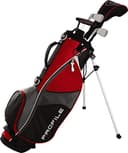
Wilson Profile JGI — the first set, sized properly
Why it lands: a complete junior set from a major brand, with a light stand bag a child can carry, sold by size band so two nine-year-olds six inches apart in height get different clubs. What to check:the child’s height against the listing’s size band, and handedness — this listing is right-handed and Wilson sells a left-handed version separately. Children outgrow a size band in a season or two, so it is a set for now, not forever.
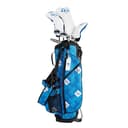
TaylorMade Junior Set #1 — for the youngest starters (ages 4 to 6)
Why it lands: a genuinely small set from a brand the child will recognize on television, with fewer clubs by design because a five-year-old needs a club that reaches the ground and a putter, not a full bag. What to check: age band and handedness (right-handed listing). It is an expensive set for perhaps two years of use, which is fine for a golfing family and overkill for a child who has never shown interest.
TaylorMade Junior Set #2 — for a committed junior (ages 7 to 9)
Why it lands: the step-up set for a child who is already playing or taking lessons, and who would notice the difference in quality. What to check:that they really are committed — this is the most expensive junior option on the site by a wide margin and overkill for a child who plays twice a summer. Age band and handedness as above.
Precise X7 — the value set (ages 9 to 12)
Why it lands:a complete set for an older child at a fraction of the branded price, which is exactly right for trying golf without committing, or for a second set at a grandparent’s house. What to check:age band and handedness (right-handed). Component quality is entry-level — the grips and the bag show it first — and a child who takes to the game will outgrow the performance, at which point the branded sets are the upgrade.
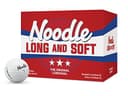
TaylorMade Noodle — the balls to lose
Why it lands: a child loses golf balls at a heroic rate, and the Noodle is the cheapest soft brand-name ball, sold fifteen to a box. A box in the stocking is always welcome. What to check: nothing. If the child is very young, the soft, low-compression feel is also the right one for a slow swing.
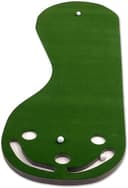
Putt-A-Bout Par Three putting green — the indoor gift
Why it lands: a kidney-shaped green with three holes turns putting into a game, which is how a child actually practices. It is the gift that gets used on rainy days all winter. What to check:that there is a nine-by-three foot patch of floor it can stay on — it does not tuck behind a door. There is no ball return, so putts get collected by hand, which children mind less than adults do.
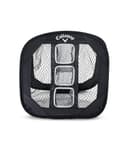
Callaway Chip-Shot net — the backyard target
Why it lands: a small collapsible target to chip balls into on the lawn. Chipping is the part of golf a child can do in the garden, and a target makes it a game. What to check:a few yards of lawn. Use the soft Noodle balls above and nobody’s window is at risk.
Getting the size right
Junior sets are sold by age band, by height band, or both. Height is the better guide — children of the same age vary enormously — so measure the child and read the listing rather than trusting the age on the box. When a child is between bands, take the smaller one: a club that is slightly short is playable, a club that is too long teaches a flat, wristy swing that takes years to unlearn. Our junior golf clubs guide covers sizing in detail, and our getting started guide is written plainly enough for an older child to read.
Kids’ golf gifts to skip
Cut-down adult clubs. The traditional way and the wrong one: an adult shaft cut short is far too stiff and heavy for a child. A set to grow into. See above. Plastic toy sets for a child over six. Fine for a toddler, frustrating for a child who has seen real golf. Golf shoes and clothing. Sizes change every few months; a plain pair of trainers is fine for a junior at most courses.